Benefits of Cannabidiol (CBD)

Over the last few months weโ€™ve given you an overview of hemp, the endocannabinoid system (ECS) and the beneficial cannabinoids found in Cannabis sativa L. In last weekโ€™s post The Benefits of Cannabinoids there was one significant cannabinoid missing, cannabidiol (CBD). In this weekโ€™s post we will discuss the wildly popular cannabinoid cannabidiol (canna-bi-diahl) and help you begin to understand the distinctions between various CBD product forms.

Nowadays, CBD is everywhere and is constantly being talked aboutโ€” and for good reason! With so many options, product types, and forms, it has become increasingly difficult to make an educated decision about which form of CBD to choose. One of the most important things to understand is how to determine the differences between CBD products. One topic we will discuss further, following the benefits of CBD, is how to understand the differences in forms of CBD, including full spectrum, broad spectrum, or isolate products.

As we shared in our earlier post Hemp vs. Marijuana, CBD was discovered in the 1940s and is one the most abundant cannabinoids in the hemp plant. It does not produce the psychotropic effects commonly associated with THC. When CBD was discovered, researchers recognized the potential of the plant, but due to legality reasons, which have unfortunately continued until very recently, and other obstacles it took over 20 years to begin really exploring and understanding how to best expand on some of the original findings. Throughout 1963-64, Dr.Raphael Mechoulam, an organic chemist at the Weizman Institute in Israel, and his team worked to identify the chemical structure of CBD, isolate it, and then synthetically recreate it in his lab. They found that, although CBD is one of the most abundant cannabinoids, it could be given at increased amounts with little to no side effects. It was Dr. Mechoulam and his team that first recognized that CBD had antiepileptic properties, research that would later be used to develop FDA approved pharmaceuticals; one for use in rare childhood seizure disorders. [1]

What is Cannabidiol (CBD)?

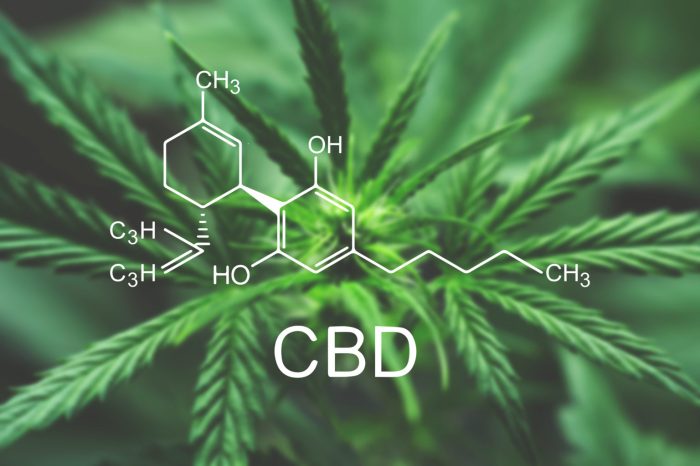
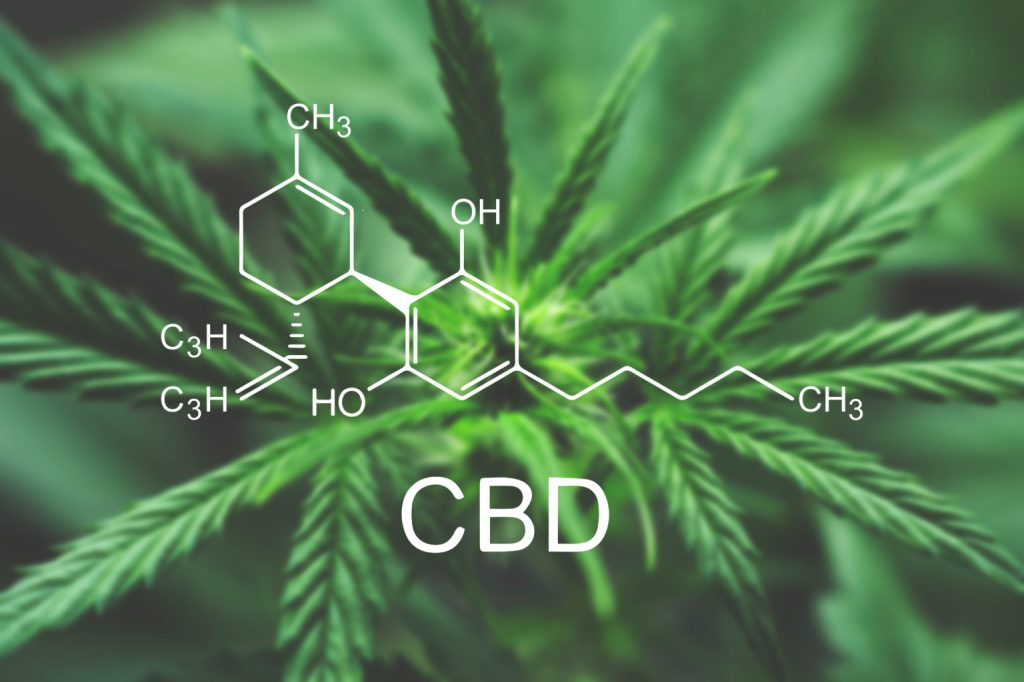
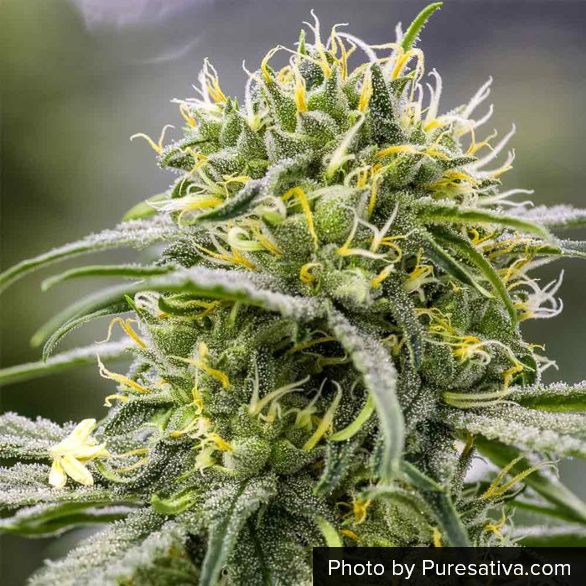
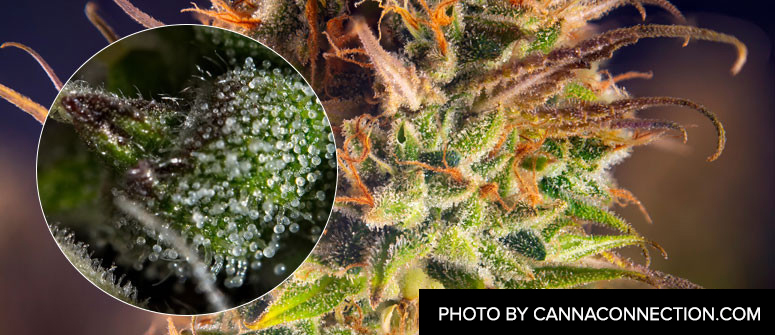
CBD is a phytocannabinoid found in various concentrations through most parts of the hemp plant, but the highest levels are found in the flowers and trichomes. Phytocannabinoids accumulate in the sticky cavity of trichomes, which are small hairs that largely occur in female flowers and can be found in lower concentrations in other aerial parts of the plant.[2]
Benefits of CBD
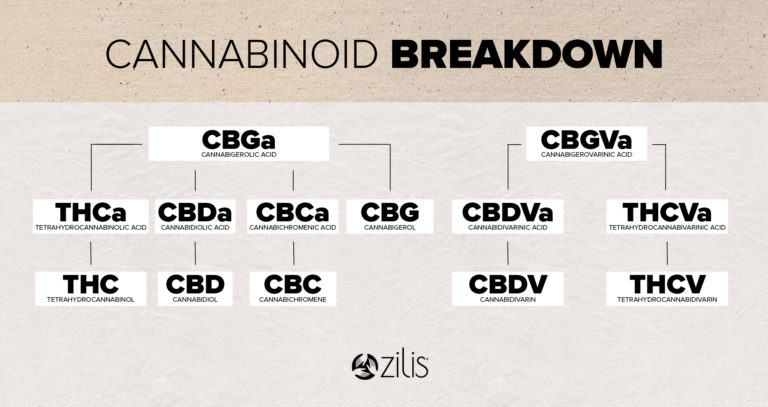
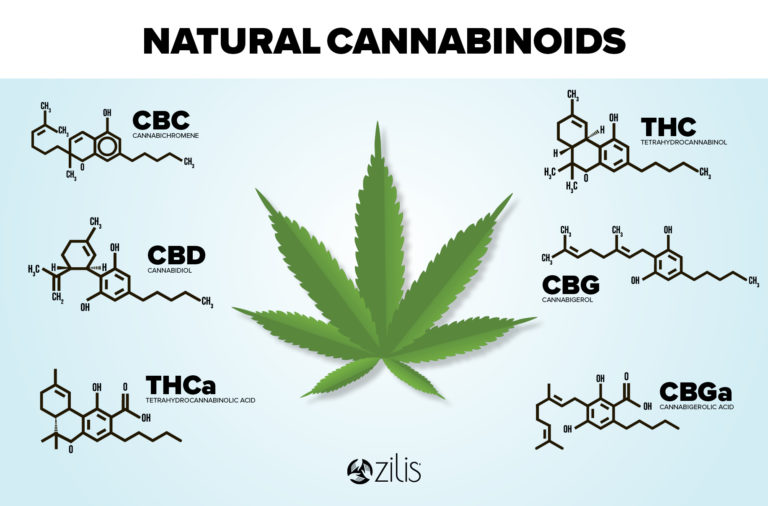
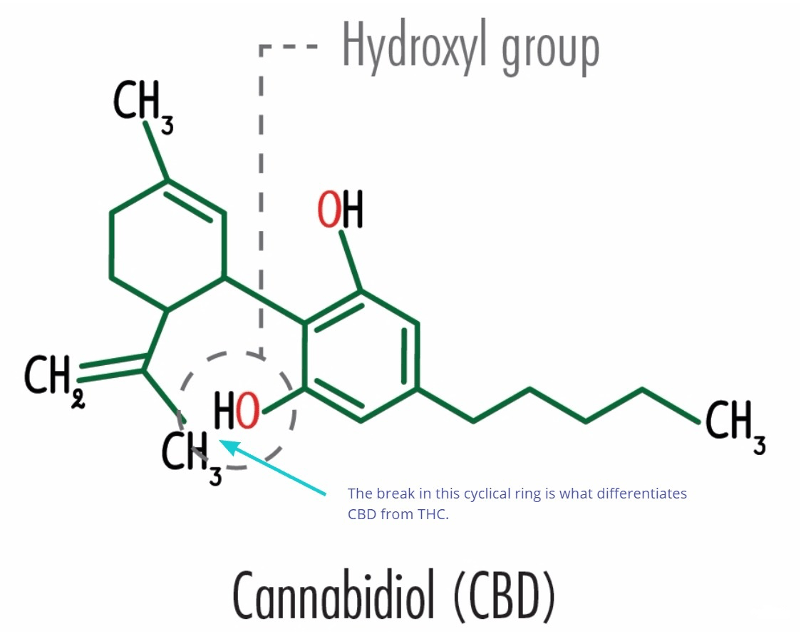
In our last post titledย The Benefits of Cannabinoids, we learned that CBD does not just start as CBD. It is created through a series of chemical conversions which occur in nature mostly through changes in temperature and time.ย This begins when Cannabigerolic acid (CBGa), the mother of cannabinoids, is broken down into its non-acidic form Cannabigerol (CBG), which then breaks down into Cannabidiolic acid (CBDa) and Tetrahydrocannabinolic acid (THCa). CBDa is then further broken down into CBD.
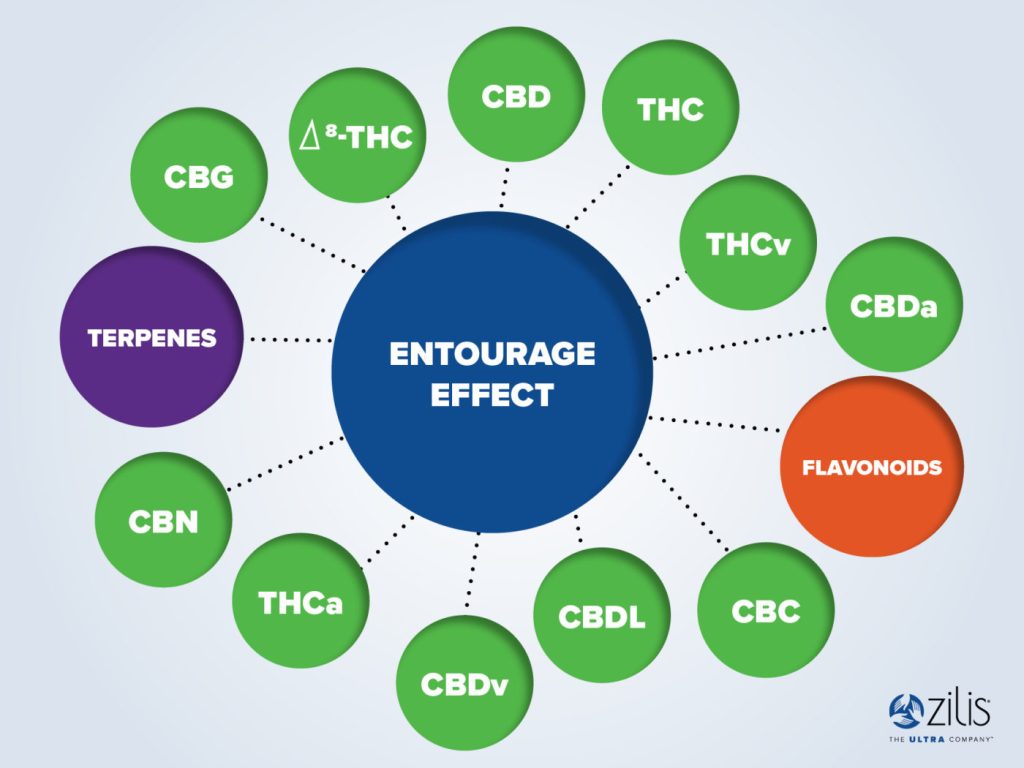
Interestingly it is estimated that by 2025 CBD will be close to a $25 billion-dollar industry.[3]ย Clearly CBD has gained some incredible popularity with consumers, but we are also seeing an increase in research and clinical studies of the compound and are starting to discover new and exciting benefits. There is increasing evidence that CBD has numerous therapeutic potentials and is essential to supporting inner balance and the overall health and wellness of many of our bodyโ€™s systems. If you read our previous posts on the ECS, you know that CBD binds to the network of receptors throughout the body that make up the ECS and play an important part in regulating pain perception, balanced emotions, and other autonomic functions. Several studies demonstrate the reduction of pain perception following intake of CBD,[4]ย and when combined with other phytocannabinoids, it can cause an even greater reduction in pain perception. This research also supports the importance of the entourage effect to benefit health, using the synergistic effects of all the compounds found in hemp versus using isolated compounds.
What is not commonly known about CBD and its potential benefits is that, in 1999, the U.S. Government, under the Department of Health and Human Services, filed a patent on non-psychoactive cannabinoids, including CBD, as a treatment for specific illnesses. The U.S. Government was awarded that patent in 2003; โ€œCannabinoids as antioxidants and neuroprotectants, Unites States Patent 6,630,507โ€. Click here to see the full patent.

As popularity has grown over this compound both medical and regulatory agencies have begun to weigh-in with their opinions about the benefits and safety profiles of CBD. For example, the World Health Organization (WHO) published their Cannabidiol (CBD) Critical Review Report[5] where the WHO discussed the available research in regard to medical and recreational uses, safety profiles, and outcomes following CBD usage. Following this report, the WHO recommended that pure CBD and CBD preparations containing no more than 0.2% THC should no longer be included in the international drug control conventions, after noting in their report that CBD had been found to be โ€œgenerally well tolerated with a good safety profileโ€.

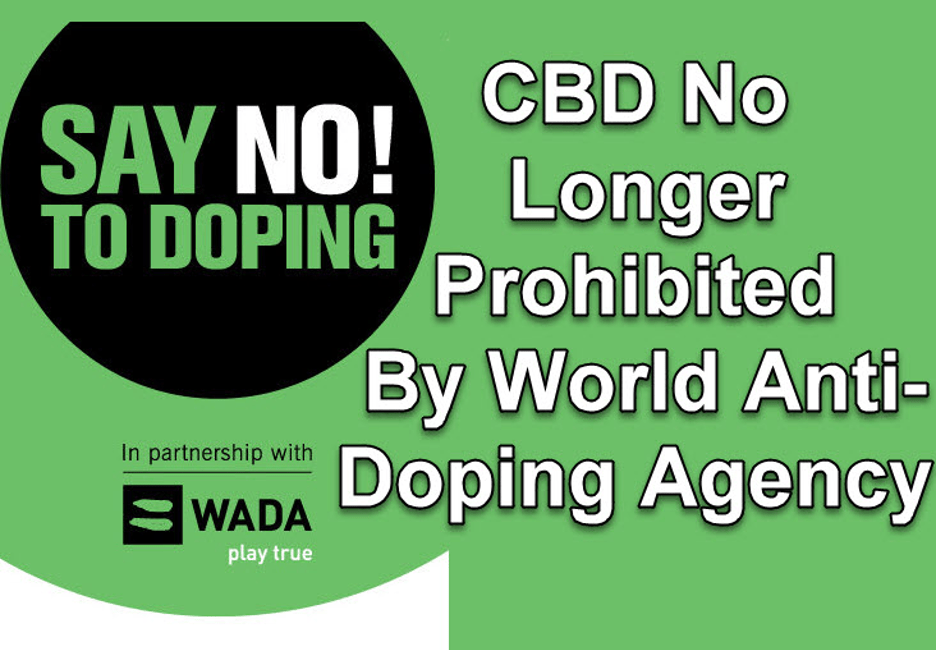
Interestingly, in addition to the WHOโ€™s recommendation to remove CBD from international drug control conventions, the World Anti-Doping Agency (WADA), an international organization that โ€œwas founded with the aim of bringing consistency to anti-doping policies and regulations within sport organizations and governments right across the worldโ€[6], removed CBD from their list of prohibited substances. However, it is important to note that although CBD is no longer prohibited, athletes should be aware that many CBD products contain low levels of THC, which is still a prohibited substance under WADA.
Product Formulation of CBD
For the majority of CBD supplements on the market it appears the products are mostly sold in three different overarching forms, or categoriesโ€”full spectrum extract, broad spectrum extract, and isolate, but what is the difference?
The following definitions of these products have come from the U.S. Hemp Authority Glossary, developed to promote standardized labeling for the hemp industry.
  • Full Spectrum Extract โ€œis hemp extract including THC and other cannabinoids, terpenes, and other naturally occurring compounds, that has been processed without intentional complete removal of any compounds and has a final THC quantification of not greater than 0.3%.โ€
  • Broad Spectrum Extract โ€œis hemp extract that has been intentionally processed to remove THC such that the quantified THC has been deemed non-detectable by a compliant laboratory using a fit-for-purpose method with a limit of quantification of less than 0.01%.โ€
  • Isolate โ€œis the confined molecule and most pure form of the cannabinoid such as CBD.โ€

Ultimately, the difference between a full spectrum, broad spectrum, and isolate products seems to come down to efficacy; the degree of product processing; and number of compounds in the final product. The most important thing you can do as a consumer is to first research the different forms and then choose a product to best fit your needs and desired outcomes.

Because each form of CBD is specific to a consumerโ€™s need, the conversation around full spectrum versus broad spectrum versus isolate CBD is a much bigger one. We will go into more detail about the specific differences about each of these forms of CBD and how they contribute to the entourage effect in a future post.


[1] Bialer, M. (2019) Raphael Mechoulam adn the history of cannabis research. Epigraph. Vol 21 (1) https://www.ilae.org/journals/epigraph/epigraph-vol-21-issue-1-winter-2019/raphael-mechoulam-and-the-history-of-cannabis-research
[2] Andre, C. M., Hausman, J. F., & Guerriero, G. (2016). Cannabis sativa: The Plant of the Thousand and One Molecules. Frontiers in plant science, 7, 19. https://doi.org/10.3389/fpls.2016.00019
[3] 2019 CBD Market Report (Rep.). (2019). Retrieved June 26, 2020, from Brightfield Group website: https://content.brightfieldgroup.com/2019-us-cbd-market
[4] Cannabidiol (CBD): Critical Review Report (Rep.). (2018, June 4). Retrieved June 26, 2020, from World Health Organization website: https://www.who.int/medicines/access/controlled-substances/CannabidiolCriticalReview.pdf
[5] What We Do. (2017, December 01). Retrieved June 26, 2020, from https://www.wada-ama.org/en/what-we-do
[6] 2019 CBD Market Report (Rep.). (2019). Retrieved June 26, 2020, from Brightfield Group website: https://content.brightfieldgroup.com/2019-us-cbd-market
Understanding Sleep and the ECS

Our post today is brought to you by one of our very own Zilis Ambassadors, Dr. Steven Todd. Dr. Todd is a retired board-certified Oral Implantologist and Dental Anesthesiologist, who served as Adjunct Professor at the Ohio State University School of Dentistry. From 1982-85, he was the 3rdย Infantry Division, 3rdย Medical Battalion U.S. Army Field Dental Surgeon. Dr. Todd holds a masterโ€™s degree in Regenerative Medicine with an emphasis on health & wellness. His private practice focuses on sleeping disorders and dental sleep medicine.

Zilis Ambassadors, Dr. Steven Todd

As we begin our journey into sleep and the ECS, letโ€™s start with the basic understanding of the ECS. The ECS has a fundamental job of maintaining balance in many biological processes including appetite, metabolism, and regulation of sleep-wake cycles.1ย The ECS may also play a significant role in how we dream,2ย influencing what we dream about and how emotionally intense our dreams are. The ECS may also indirectly influence sleep through its work balancing mood, stress, or immunity. So, what can you do if you canโ€™t sleep?ย  Balance your ECS with CBD!

Sleep 101

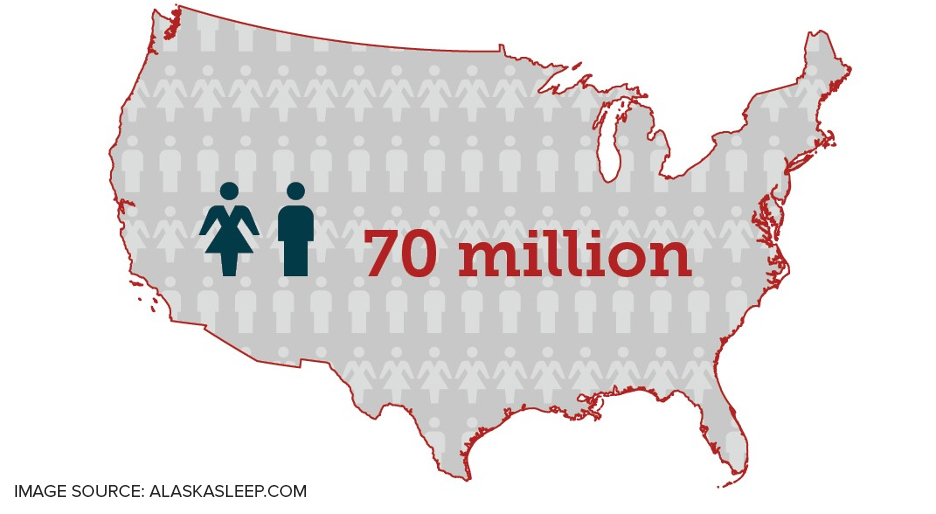
Letโ€™s review a few basics of sleep first.ย Whileย you sleep, your body restores the energy expended during the day.ย Whenย you sleep is generally maintained by your circadianย (sir-cade-ian)ย rhythm. ย This natural, internal process is what helps regulate your awake and sleep cycles and repeats every 24 hours.ย  It is representative of what a balanced system looks like. ย We also know that sleep is the number one missing ingredient for a healthier life. It affects every area of our lives and is as important as breathing, eating, and drinking water. You can go about four days without water, 25 days without food, 8-10ย minutes without air, and 6-7 days without sleeping. Sleep is necessary to regenerate your mind and body. Getting the right amount of sleep will give you more energy and vitality, may keep you from gaining weight, and may help you lose weight. In theย Journal of Science, women reported that a restful sleep was more important than a household income and marital status. Sleep helps the unconscious mind reprogram through complex decisions, and without sleep, cognitive ability is reduced. It affects every organ system and every disease state. Sleep is real healing โ€“ emotional, physical and spiritual. Even though sleep has direct impact on our sense of well-being, there is a real problem: 70 million Americans report they have sleeping problems.3

About 70 million Americans suffer from a sleep problem. Our nationโ€™s sleep problem is so widespread that the CDC has called insufficient sleep a โ€œpublic health epidemic.โ€

What role does cannabis play?

The topic of sleep is a big one that covers far too much information for a single article. Today, weโ€™ll focus on how hemp-derived cannabis interacts with the body in the realm of sleep.* We know by now that humans have used cannabis in many ways for thousands of years. Scientist have been studying the active compounds in cannabis and have found therapeutic properties to assist with sleep issues. Going to sleep at night and being awake during the day are the natural cycles of our circadian rhythm. When that cycle is disrupted, for whatever reasonโ€”shift work, trauma, travel, health issuesโ€”you start to suffer.ย Using hemp-derived CBD products to help improve sleep alsoย  recalibrates our circadian rhythm and returns our ECS to balance for optimal health and wellness.*

How does CBD affect the cycles and stages of sleep?

There is not a simple answer to that question, but two factors that affect the stages (REM and Non-REM sleep) and the cycle of sleep (circadian rhythm) is 1) the quality of the product and 2) type of cannabis, or chemovar, of your CBD. There is scientific research that broadly addresses how cannabis affects sleep stages and sleep cycles.4 Bringing the ECS into balance with CBD, along with getting plenty of natural light, eating earlier, and making more time for sleep, allows your sleep stages and rhythms to enter a balanced state, providing better sleep.*  Using CBD allows the ECS to move away from overuse of endocannabinoids which swings the ECS out of balance in the opposite direction.5 There is also research that addresses the major hemp compounds found in cannabis and how they influence sleep. Several cannabinoids (not just CBD) and botanicals, like lavender or valerian root, have a direct role in improving sleep. Both CBD and CBG have been shown to assist with sleeping problems,6* and CBD has also been shown to promote relaxation.* If you remember the Benefits of CBD post, youโ€™ll know that there has been an abundance of research over the last five decades that supports the therapeutic benefits of CBD to reduce daytime sleepiness and promote alertness.7*

CBG is a newly researched and lesser known cannabinoid. A new area of interest surrounds CBG and its relationship with sleeplessness, stress related disorders, situational stress, and a host of other sleep challenges. CBG is a direct agonist (promoter) of CB2 receptors, which means it really likes binding with CB2 receptors. One amazing find is that CBG interacts with the serotonin receptors of the gut-brain axis. This is important because research has demonstrated the importance of the gut-brain connection for good quality sleep.8

Why do I wake up different hours of the night? Will CBD help?

There are many reasons why people donโ€™t sleep through the night. Some of which are:

  • a racing mind;
  • muscular or skeletal discomfort;
  • feeling emotionally unwell;
  • poor eating habits;
  • poor sleep habits;
  • breathing issues, and
  • aging.

Sleep issues are different for everyone. And, because everyone is unique, the 6 hours of sleep one person gets may not be enough for a person who requires 8 hours of restful sleep. We know that CBD can help balance the ECS which can positively impact our sleep, another factor can also help promote restful sleepโ€”vitamins!*

Nowadays, we know people do not have enough of the staple vitamins and minerals to promote healthy sleep. Incorporating vitamins and minerals into our diets can work synergistically with our CBD and ECS to enhance sleep. One of the primary markers in determining sleep health is the level of vitamin D3 (which is actually a parahormone). Vitamin D3 and associated B complex vitamins have a profound effect on sleep quality. As D3 levels are adjusted between 60-80ng/ml, sleep gets better. Research from the National Health and Nutrition Examination Survey (NHANES), compared people getting more than 7 hours of sleep per night with people getting less than 7 hours sleep per night. People with fewer than 7 hours of sleep per night, on average, consumed lower amounts of vitamins A, D3, and B complex vitamins, as well as magnesium, niacin, calcium, zinc, and phosphorus.

In summary, the ECS and overall health and wellness are tightly controlled by sleep. Sleep is our bodyโ€™s way to repair itself for the next day. These key repair mechanisms have a complex array of neurotransmitters, hormones and healing factors to facilitate a healthy nightโ€™s sleep. None of this happens unless the fundamental vitamins and minerals are in place. It is no surprise in todayโ€™s intense society that people have challenges with sleeping well. There are still many unknowns, but we do know the ECS and sleep are complex intricate orchestrations of the human body to heal, repair, and regenerate itself on a daily basis.

*These statements have not been evaluated by the Food and Drug Administration. These products are not intended to diagnose, treat, cure, prevent or mitigate any disease or medical conditions.

Stay tuned for our next post from guest writer and Zilis Ambassador Maddie Andry about why glutathione is important and how it can support your overall health.


[1] Tringale, R., & Jenson, C. (2014). Cannabis and Insomnia. Oโ€™Shaughnessyโ€™s Society of Cannabis Clinicians, August 31-32. Retrieved August 4, 2020, from https://www.semena-marihuany.cz/img/5E9EC245-448E-17B2-C7CA-21C6BDC6852D.pdf

[2] Murillo-Rodriguez E, Pastrana-Trejo JC, Salas-Crisรณstomo M, de-la-Cruz M. The Endocannabinoid System Modulating Levels of Consciousness, Emotions and Likely Dream Contents. CNS Neurol Disord Drug Targets. 2017;16(4):370-379. doi:10.2174/1871527316666170223161908

[3] Smith, S., & Paris, M. (2018, November 13). Sleeping Well in The Age of Stress: Part 2 [Web log post]. Retrieved August 13, 2020, from https://www.alaskasleep.com/blog/sleeping-well-in-the-age-of-stress-0

[4] Pava, M. J., Makriyannis, A., & Lovinger, D. M. (2016). Endocannabinoid Signaling Regulates Sleep Stability. PloS one, 11(3), e0152473. https://doi.org/10.1371/journal.pone.0152473

[5] Hanlon EC, Tasali E, Leproult R, Stuhr KL, Doncheck E, de Wit H, Hillard CJ, Van Cauter E. Sleep Restriction Enhances the Daily Rhythm of Circulating Levels of Endocannabinoid 2-Arachidonoylglycerol. Sleep. 2016 Mar 1;39(3):653-64.

[6] Russon, EB.(2008) Cannabinoids in the management of difficult to treat pain. Therapuetics and Clinical Risk Management, 4(1):245-259. Retrieved from: https://www.ncbi.nlm.nih.gov/pmc/articles/PMC2503660

[7] Murillo-Rodriguez,E et al. (2014). Potential effects of cannabidiol as a wake-promoting agent. Current Neuropharmacology, 12 (3):269-272(4). Retrieved from: http://www.ingentaconnect.com/content/ben/cn/2014/00000012/00000003/art00006

[8] Sharkey, K. A., & Wiley, J. W. (2016). The Role of the Endocannabinoid System in the Brain-Gut Axis. Gastroenterology, 151(2), 252โ€“266. https://doi.org/10.1053/j.gastro.2016.04.015

Trust and Transparency: Understanding the U.S. Hemp Authorityยฎ Certification Program

This week our post is brought to you by Dr. Marielle Weintraub, President of the U.S. Hemp Authorityยฎ and Director of Scientific Research and Development at Zilis, and joining her is nationally known hemp expert and attorney, Jonathan Miller. Together Dr. Weintraub and Mr. Miller offer insight into this award-winning hemp certification program and why earning this prestigious seal of approval is so important for building trust and transparency in the hemp industry.

A main challenge facing reputable, quality-focused, and consumer-safety conscious hemp companies today are all the companies who are poorly manufacturing CBD products and selling them with misleading labels and making illegal disease claims.  Unfortunately, the good and the not-so-good hemp companies all get lumped together, and it can be very hard for consumers to understand which products they should be investing in.

Now more than ever, consumers are paying attention to the ingredients that they are putting into their bodies. They are looking for ways to help support their overall wellness and by actively seeking information to understand as much as they can. Truth-in-labeling and transparency of products remains the number one consumer necessity, especially when it comes to hemp and CBD products, but additionally for all dietary supplements they plan on purchasing. Due to state regulations and, in some cases, a choice, hemp CBD companies are much more transparent than many mainstream dietary supplement companies. As an example, hemp industry companies have an increasing trend of posting Certificates of Analyses (COA) clearly online or using QR codes (as per state regulations) on their products to disseminate COA information. This transparency is helping consumers identify legitimate products.

Recently aย reportย was released by the U.S. Food and Drug Administration in response to the Congressional Directive regarding Cannabidiol toย โ€œโ€ฆperform a sampling study of the current CBD marketplace to determine the extent to which products are mislabeled or adulterated and report to the Committees within 180 days of enactment of this Act.โ€ย Following testing of various types of CBD-infused products, the FDA found that many were mislabeled, containing far less or far more CBD than listed on the product label. Interestingly, although there were a high number of mislabeled products regarding their cannabinoid content, the majority of products tested did not contain contaminant levels, such as heavy metals, considered to be unsafe. This was a point of concern previously voiced by the FDA as hemp is a well-known phytoremediator.

Phytoremediation is a process where living plants essentially clean the soil, air, and water that may be contaminated (with undesirable heavy metals, pesticides, or other toxins). This is great for the earth, but because they are absorbedย into the plant, can be harmful if ingested.

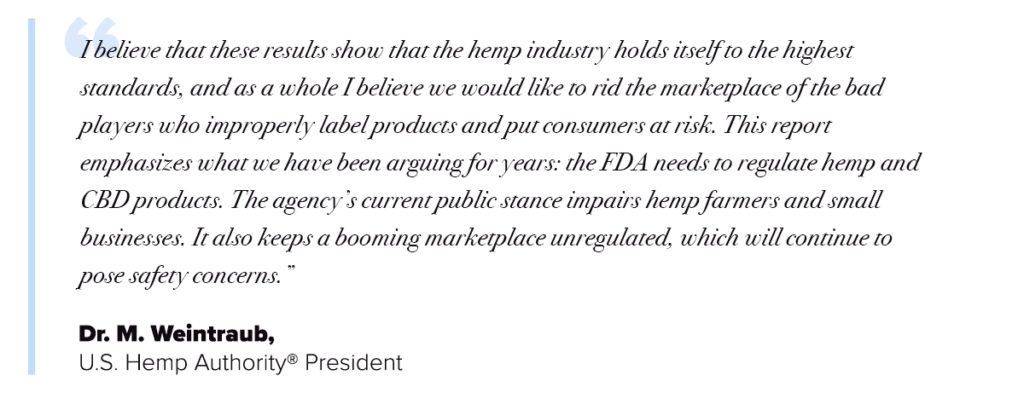
Because of the continued lack of regulation from FDA, the U.S. Hemp Authorityยฎย (USHA) developed a robust program to build trust in hemp and CBD products. By certifying hemp growers, manufacturers, processors, and brand owners, through third-party independent audits, USHA has returned confidence to where it was missing, and trust to where it was needed.

To better understand the U.S. Hemp Authorityยฎย it must be first recognized that USHA is a non-profit trade association that is dedicated to improving business conditions within the emerging hemp industries to establish high standards, best practices, and self-regulation that enable commerce and consumers to identify consumable hemp products they can trust. USHA is not a member-driven organization and does not collect dues of any kind; you canโ€™t just โ€œjoinโ€ USHA. This isย notย a pay-to-participate organization. Like other certification agencies, those who seek certification must pay a fee to a third-party auditing agency to conduct an independent on-site audit and meet or exceed the requirements entailed in USHA guidance document. Obtaining third-party independent certification requires rigorous commitment to excellence, a physical audit inspection that includes label validation, COA inspections, manufacturing information, auditor interaction with employees, and a willingness to have auditors comb through a companyโ€™s processes and procedures, and much more. In addition, for a product to earn the USHA Seal, not only must the product qualify through the audit, the products must be derived from hemp plants. Cannabinoids from genetically modified and bio-engineered hemp are not permitted in the USHA program.

The rigorous audit is conducted by the third-party independent auditing agency FoodChain ID,  a well-respected, BRCGS Five-Star Rated agency, who conducts USDA Organic Certifications as well as certify for the non-GMO Project Butterfly organization. Certification fees that allow a USHA Certified Company to use the USHA Seal are paid directly to FoodChain ID, with a fraction of that fee being distributed to the USHA for its operating budget.

USHA was purposefully formed and developed by stakeholders in the hemp industry to be a certification program that would fit the specific needs of the hemp industry.  Therefore, the USHA trade association was set up to have both a Board of Directors and Technical Committee made up of members who serve on a volunteer basis and receive no compensation. USHA is governed through bylaws and additional governing documents that mandate a scrupulous conflicts of interest policy, including the requirement for all board and committee members to understand their obligations under these policies and to execute and submit the comprehensive โ€œDeclaration of Conflicts of Interestโ€ form annually and at any time there is a change in an actual or perceived conflict of interest.

Companies that choose to undergo this rigorous third-party audit do so in hopes that their products can carry the prestigious U.S. Hemp Authorityยฎ Certification Seal.  Zilis proudly earned the USHA Certification Seal in 2019, and as the Certification has a yearly audit mandatory for renewal, the Zilis quality team is prepared for the 2020 audit. UltraCellยฎ products proudly carry the U.S. Hemp Authority Seal on every bottle.   The USHA Seal gives consumers piece of mind and an easy way to identify that they are getting the most trusted products available in the hemp market.

Zilis Ultra Cell CBD

Fรณrmula de espectro completo, soluble en agua

Hecho solo para nuestros amantes de las bayas. Su pedido incluye una botella (1 oz) de sabor Zilis Ultra Cell CBD Berry. El aceite Zilis Ultra Cell CBD es una mezcla de aceite de espectro completo y otros nutrientes esenciales.

  • Extracto de aceite de CBD de cรกรฑamo de espectro completo de origen orgรกnico
  • Extracciรณn de CO2
  • Agua soluble
  • Hasta 94% de tasa de absorciรณn
  • Segรบn los estudios Hasta 30 veces mรกs absorciรณn en comparaciรณn con otros aceites lรญderes de CBD de espectro completo
  • Contiene prebiรณticos
  • Suministro para 30 dรญas

Pruebas de laboratorio independientes: escanee el cรณdigo QR de cada botella para ver los resultados de la prueba.

ยฟQuรฉ es Zilis Ultra Cell CBD?

La demanda de productos de salud progresivos ha aumentado significativamente en los รบltimos aรฑos, y las personas han encontrado muchas ventajas en el uso de aceites infundidos y cremas tรณpicas. El aceite de CBD de cรกรฑamo de espectro completo Zilis Ultra Cell es un producto completamente vegetal y, a diferencia de muchos otros productos similares, es soluble en agua.

Costo del aceite de CBD de Zilis

Aquรญ estรกn Elite Health que probamos y tenemos los precios mรกs bajos para el aceite de CBD Zilis . El costo del aceite de CBD de Zilis puede oscilar entre $ 150 y 160, dependiendo de la tienda en la que compre. Actualmente estamos realizando una venta para reducir el costo de nuestro aceite de CBD Zilis para los clientes.

Por quรฉ es fundamental tener un suministro adicional a mano

El aceite de CBD Zilis UltraCell puede permanecer en su sistema hasta o alrededor de 30 dรญas a la vez, reduciendo su efecto cada dรญa sin dosificaciรณn. Por esa razรณn, recomendamos tener un suministro adicional a mano para que pueda:

  • Reduzca el tiempo para recuperar los efectos de salud completos
    (15 a 30 dรญas despuรฉs de no haber tomado Ultra Cell durante al menos 30 dรญas antes). 
  • Reduzca la inversiรณn monetaria necesaria para volver a su tasa total de absorciรณn y aplicaciรณn
    (evite invertir entre 15 y 30 dรญas de suministro de Ultra Cell para recuperar su tasa total de absorciรณn y aplicaciรณn).
  • Reduzca el tiempo necesario para ayudarlo a sentirse mรกs saludable y revitalizado
    (alcance sus objetivos de salud originales con Ultra Cell mรกs rรกpido y con menos interrupciones).

Beneficios de Zilis Ultra Cell CBD

Hay muchos beneficios para CBD Oil Zilis y el resto de sus increรญbles productos. Echemos un vistazo rรกpido a los beneficios del aceite de CBD Zilis Ultra Cell .

Zilis Ultra Cell ofrece a los usuarios una variedad de diferentes beneficios para la salud. ยฟCuรกl es la diferencia entre otros aceites y Ultra Cell? Es realmente una respuesta simple: solubilidad en agua. Debido a que el aceite de CBD de Zilis es soluble en agua, tiene una tasa de absorciรณn que es 60 veces mayor que su contraparte a base de aceite. Aunque este producto se llama “aceite”, en realidad es a base de agua. En resumen, obtiene mรกs por su dinero con la solubilidad en agua.

Dรณsis recomendada

Por lo general, el aceite Zilis Ultra Cell tardarรก algunas semanas en absorberse completamente en su sistema y comenzar el proceso de revitalizaciรณn de su cuerpo y mente. Una vez que el aceite de CBD de Zilis se haya promulgado por completo, comenzarรก a ver los beneficios diarios. Recomendamos permanecer en un horario de recarga ajustado de 30 dรญas desde nuestro 1oz. Las botellas de aceite de CBD Zilis UltraCell se basan en un perรญodo de dosificaciรณn de 30 dรญas. Recomendamos configurar el reordenamiento automรกtico con nosotros para que su prรณxima botella llegue aproximadamente 3-5 dรญas antes de que termine su suministro actual de aceite de espectro completo UltraCell.

Ingredientes

Agua purificada, glicerina, MCT (de coco), aromas naturales (de extracto de planta), polisacรกridos prebiรณticos (de xantano y goma de acacia), lรญpidos naturales (de girasol no transgรฉnico), stevia (de hoja), sorbato de potasio

ยฟQuรฉ es el Aceite de CBD?

El aceite de cannabidiol ha ganado mucha atenciรณn en los รบltimos aรฑos, pero ยฟquรฉ es el aceite de CBD y quรฉ puede hacer por usted? Tal vez alguien le haya dicho que el aceite de CBD ayudarรญa con una dolencia o condiciรณn que estรก enfrentando, o posiblemente simplemente desee tomar la sustancia para el bienestar general. Cualquiera que sea su propรณsito, es aconsejable buscar informaciรณn antes de probar algo nuevo. Responderemos sus preguntas principales, tales como: ยฟpara quรฉ se usa el aceite de CBD y para quรฉ sirve ?

ยฟQuรฉ es la tintura de aceite de CBD?

El CBD es un compuesto quรญmico que se produce a partir del cannabis. El aceite de CBD se refiere al extracto, que contiene niveles mรกs altos de la sustancia. El CBD no solo no es intoxicante, sino que se le ha asociado con varios beneficios. 

Sin embargo, los productos de CBD vienen en una variedad de formas, incluida la tintura de aceite de CBD. ยฟQuรฉ es una tintura de aceite de CBD ? Veamos la composiciรณn de este producto, entre otros.

Tinturas de CBD

Los extractos lรญquidos de CBD se aplican directamente debajo de la lengua. El CBD se absorbe rรกpidamente en el torrente sanguรญneo. La mayorรญa de las tinturas vienen en una botella de vidrio y cuentan con un gotero dosificador.

Aceite de CBD para vape

Los cartuchos de aceite de CBD precargados se utilizan con los cigarrillos electrรณnicos para administrar una dosis.

Cรกpsulas de CBD

Estas cรกpsulas estรกn llenas de aceite de CBD. Los ingieres como lo harรญas con un suplemento tradicional. Los encontrarรก empaquetados como vitaminas. 

ยฟCuรกles son los efectos y beneficios del aceite de CBD?

Muchas personas que buscan tomar aceite de CBD se preocupan de que promueva una sensaciรณn de “euforia”, pero ese no es el caso. De hecho, el CBD es un compuesto no intoxicante. Para venderse en los Estados Unidos, los productos de CBD deben contener menos del 0,3% de THC, que es el compuesto que produce los efectos eufรณricos. 

Sin embargo, el CBD aรบn podrรญa detectarse en su cuerpo. Dependiendo de la dosis que tome, cรณmo lo consuma, la biologรญa de su cuerpo y el producto que elija, debe notar algunos efectos. Algunas personas han informado de relajaciรณn fรญsica, efectos ligeramente sedantes o alivio del estrรฉs. Sin embargo, la ingesta de aceite de CBD nunca deberรญa producir resultados que causen deterioro.

En su mayor parte, el CBD parece considerarse seguro y bien tolerado por la mayorรญa de los usuarios. Al igual que con cualquier suplemento, siempre existe la posibilidad de una reacciรณn adversa, asรญ como una posible interacciรณn con los medicamentos. Es por eso que siempre es mejor consultar a un mรฉdico antes de agregar cualquier suplemento nuevo a su rรฉgimen. 

ยฟPara quรฉ se utiliza el aceite de CBD?

Lamentablemente, no hay muchos estudios a los que podamos hacer referencia en este momento. La Escuela de Medicina de Harvard ha realizado mรกs investigaciones sobre el CBD y ha descubierto que podrรญa ser beneficioso para algunas personas que padecen dolencias o afecciones. 

En este momento, solo se recomienda como complemento para el bienestar general. 

ยฟPara quรฉ sirve el aceite de CBD?

Algunos de los principales beneficios del aceite de CBD, segรบn lo informado por otros usuarios, incluyen estas posibilidades.

  • Ayuda a respaldar las funciones de las articulaciones y los cartรญlagos
  • Ayuda a aliviar los dolores o molestias musculares despuรฉs del ejercicio.
  • Ayuda a promover un sueรฑo mรกs reparador.
  • Ayuda a reducir la frustraciรณn y el estrรฉs.

Para muchas personas, encontrar una soluciรณn natural a los problemas cotidianos es la mejor opciรณn, que es lo que hace que mรกs personas investiguen los beneficios del CBD. Hasta que recibamos mรกs evidencia de para quรฉ se puede usar el CBD, solo se puede recomendar como un suplemento de bienestar.

ยฟEs legal el aceite de CBD?

Para comprender las batallas legales en torno al CBD, primero debe mirar la historia. El primer relato de alguien que consumรญa cannabis para tratar problemas de salud fue en 2727 a. C. cuando el emperador Sheng Neng tomรณ un tรฉ especialmente formulado. 

Desde entonces, solo ha ganado popularidad. Sin embargo, hasta hace poco, tanto el THC como el CBD estaban relacionados con el consumo de cannabis. No fue hasta la dรฉcada de 1940 cuando el CBD se separรณ del THC y cannabinoides adicionales. 

Entonces, comenzรณ la Guerra contra las Drogas. Las agencias federales de control de drogas comenzaron a aumentar rรกpidamente, junto con las leyes que rodean el uso. A pesar de la recomendaciรณn de Nixon de despenalizar el uso personal de marihuana, estos esfuerzos fueron rechazados. 

Sin embargo, el CBD, cuando se obtiene de la planta de cรกรฑamo, contiene menos del 0,3% de THC, por lo que se excluye de la definiciรณn de marihuana. Este tecnicismo cambia todo cuando se trata de leyes locales y federales.

El Farm Bill establece que el aceite de CBD que contiene menos del 0.3% de THC y que se cosecha de plantas industriales de cรกรฑamo es completamente legal a nivel federal. Sin embargo, los estados individuales pueden crear sus propias leyes. En consecuencia, desea investigar las leyes estatales de cรกรฑamo para su รกrea antes de comprar. 

Encontrar el mejor aceite de CBD

El CBD no estรก regulado, por lo que debe realizar la debida diligencia para encontrar el producto adecuado para sus necesidades. Aquรญ hay algunos consejos de compra de CBD para considerar.

Cultivado en el paรญs

La fuente del cรกรฑamo utilizado para el aceite de CBD es importante. La mayor parte del cรกรฑamo que se vende en los Estados Unidos proviene de Oregรณn o Colorado. De todas las opciones, Colorado tiene un programa agrรญcola que realiza pruebas puntuales regulares en las plantas mientras todavรญa estรกn en el campo. 

Elegir comprar un producto de cรกรฑamo fabricado en el extranjero puede causar problemas. Estas sustancias no estรกn sujetas a pruebas federales o estatales, lo que lo pone en riesgo. 

Tipo de aceite de CBD

Tiene varios tipos diferentes de aceite de CBD en el mercado para elegir. Comprender las diferencias puede ayudarlo a determinar quรฉ es lo mejor para sus necesidades. 

El aceite de CBD de espectro completo tiene una variedad de compuestos que provienen de la planta. Esto podrรญa incluir CBD, THC y otros cannabinoides. El aceite de CBD de amplio espectro tambiรฉn tiene una variedad de compuestos, pero sin el THC. La otra opciรณn es el aislado de CBD, que solo contiene CBD. 

Para la mayorรญa de las personas, el CBD de espectro completo parece proporcionar los mejores resultados. Tiene una variedad de ingredientes que trabajan juntos para producir los efectos que buscan muchos clientes. Sin embargo, puede que no sea la mejor opciรณn para aquellos que necesitan someterse a pruebas de detecciรณn de drogas, ya que contiene una pequeรฑa cantidad de THC. 

Pruebas de terceros

Lo รบltimo que debe tener en cuenta es cualquier prueba de terceros realizada para la empresa. Si un fabricante no estรก dispuesto a compartir informaciรณn de pruebas de terceros con usted, es posible que tenga algo que ocultar. Este anรกlisis crรญtico asegura que estรก obteniendo lo que pagรณ y en las cantidades adecuadas.

Recuerde, estรก poniendo algo en su cuerpo.ย Por esa razรณn, recomendamos tener aceite de CBD soluble en agua de la mรกs alta calidad posible.ย Sรญ, la inversiรณn es mรกs que otras marcas.ย ยฟPor quรฉ?ย Mejor quรญmica, mรกs potencia, mรกs para tu dinero, mejor para tu cuerpo.ย Recomendamos probarย Zilis Ultra Cell Topicalย .ย Esta crema calmante tiene la dosis perfecta y potente de extracto de CBD que su cuerpo necesita para recuperarse.

CBD VS CBG

In the past few years, products containing CBD (cannabidiol) have taken over the market. Not only does this substance boast of anti-inflammatory properties, but it is also known for its antioxidant effect. As a result, itโ€™s become a trendy and beneficial ingredient in many wellness products. But now, people are starting to take notice of CBG as well. The new spotlight is causing consumers to wonder what are the differences between CBG vs CBD? We will look at both independently and compare them side-by-side to give you the answers you need.

What is CBG?

CBG is one of over 100 cannabinoids found in the cannabis plant. These cannabinoids contain active chemical compounds that cause reactions in our cells. Cannabigerol (CBG) can be found in both marijuana and hemp plants. However, the concentration is relatively small, with less than one percent in marijuana and two percent in hemp.

While CBG might sound new to you, it was actually discovered in 1964 by two Israeli scientists. It wasnโ€™t that long ago that some Japanese researchers figured out that CBG actually starts as CBGA (cannabigerolic acid) and is synthesized by heat or over time.

This non-intoxicating cannabinoid doesnโ€™t cause the same euphoric effects that THC does. It might even help to suppress the THC intoxication that creates the notorious โ€œhighโ€ feeling. 

Because it is difficult to harvest CBG, cannabis breeders have begun experimenting with plant cross-breeding and genetic manipulation to create higher yields. Itโ€™s also been discovered that higher levels of CBG are found when the budding plants are six weeks into the flowering cycle. 

We recommend dosing with water soluble CBG only as the absorption rates are around 94% greater than oil based products. Very few companies know how to formulate this process correctly. We recommend trying Zilisย Ultra CBGย Oil over other brands. By using a water soluble product, youโ€™ll lower your daily dosing needs and maximize your monthly investment. Although their product is a bit higher in price, in the long run, itโ€™s significantly less than others due to this key feature.

What is CBD?

As you evaluate the differences between CBD vs CBG, you want to look at what the more popular substance has to offer. CBD (cannabidiol) is another chemical compound that comes from the Cannabis sativa plant. It is a naturally occurring substance that can be found in wellness oils and edibles. While people use CBD products to create a calming effect and relaxation, it is not the same thing as THC. Instead, delta-9-tetrahydrocannabinol is found in marijuana and is psychoactive.

While there are very few studies regarding the effectiveness of CBD products, many people claim that it has helped them relive several health conditions. It could be related to the anti-inflammatory properties or the antioxidant effect, but more research is needed to know for sure.

For CBD, we go back to the focus on water solubility. Itโ€™s very hard to find super high grade full spectrum CBD and also have it come in a water soluble formula. Absorption rates are everything in this space. Learn more aboutย Zilis Ultra Cellย Topical formula today.

CBD vs. CBG: What are the Differences?

So, what is CBG vs CBD and what differences do you need to know about? CBG actually helps to create CBD. In fact, both of these substances are considered cannabinoids, but they are different compounds from the cannabis plant. They also tend to serve different purposes and target different ailments, although there tends to be a lot of overlap between the two. 

While there are some differences between CBD and CBG, there are also many similarities. Both of these substances are considered non-psychotropic. This term means that you wonโ€™t receive an altered state of mind from using it. You can use either CBD or CBG every day and your functions wonโ€™t be limited. Plus, there is no reduction in your mental clarity as a result of taking these products. The only benefit that has been shown to occur to the state of mind is in a positive effect, especially when it comes to relaxation and calming. 

CBD and CBG are nothing like THC, which can have intoxicating effects on the body. In fact, both CBG and CBD are shown to counteract THCโ€™s intoxicating properties. However, most people consuming marijuana donโ€™t deal with these counter-active effects because there are very limited amounts of CBG found in cannabis. 

In addition, CBG might increase the appetite, which is opposite what most people notice with CBD. In fact, CBD has been promoted as a substance that could inhibit appetites and lead to some weight loss. 

While looking at these differences, you have to carefully select which one is going to work best for you.

CBG Oil vs CBD Oil: Which One Do You Want?

Now that weโ€™ve discussed the differences between the two, itโ€™s time to decide whether you want CBG oil vs CBD oil. CBD oil has become more recognized around the world as a popular supplement, but that shouldnโ€™t discount the benefits of CBG oil. CBG might not be heard of as much, but it is considered to be the first cannabinoid compound. Essentially, it makes up CBD

CBG is currently being studied, but many people find that it can promote well-being. It has already shown some anti-inflammatory, antibacterial and antioxidant properties. Initial reports suggest that both CBD and CBG can:

  • Help support cartilage and joint functions
  • Help relieve muscle pain following exercise
  • Help promote healthy sleep patterns
  • Help reduce frustration and stress

Itโ€™s best to try both products to determine which one suits your needs the best. Without more research, itโ€™s difficult to determine which one will respond better to your particular need. In fact, some customers have suggested that using both oils is the best way to promote overall well-being. 

Is CBG or CBD Oil Legal?

When Congress passed the Marijuana Tax Act in 1937, industrial hemp was legal. It wasnโ€™t until the 2014 Farm Bill passed that states were allowed to regulate the production of hemp and CBD. Even more recently, President Trump enacted a new Farm Bill that makes it federally legal to grow hemp. This means that as long as you are compliant with your state laws, you can grow and use hemp products. 

While state policies vary greatly, itโ€™s important to do your research before using any hemp products. We suggest looking into your hemp state laws first. 

Where to Find CBG Oil

While itโ€™s a good thing that CBD and CBG oils are growing in popularity, it also means you have to watch out for scam artists. When you are shopping for these products, there are some ways to ensure you get the best quality available. Here are a few things to consider while shopping.

Label Representation

Take a good look at the label. The label might look nice and pretty, but does it have the valuable information you need? Reputable companies attach an FDA disclaimer and warning section to all dietary supplements. 

You also want to check the label for any identifying information. Just as your groceries and other wellness products contain identification in case of a recall, there should be something on the label of your CBD or CBG products that mark the batch. Good manufacturing practices are followed when the company can tell what batch you received. If the company should need to communicate with users in the future, they will know who to contact. 

Third-Party Lab Testing

Any CBD or CBG product you consume should undergo third-party testing to confirm the accuracy of the label. Otherwise, you could be paying for a product that doesnโ€™t contain what it claims. In 2017, the Journal of the American Medical Association found that 26% of CBD products tested had lower doses than stated on the bottle. 

You want to see a quality assurance stamp or some type of certificate from the third party to ensure accuracy. It also helps if you can see the test results. If a company isnโ€™t willing to share this information with you, they might have something to hide. 

Added Ingredients

In conjunction with the testing, you want to make sure you know everything that is inside your formula. After all, this product is going into your body, so it doesnโ€™t make sense to ingest things you donโ€™t have knowledge about. Some companies go as far as putting melatonin in their CBD products, which is fine if thatโ€™s what you want to pay for. By knowing whatโ€™s in a product, you can decide if it is the right way to spend your money.

Dosage

Your next step is to look at the dosing. Many products donโ€™t clearly instruct the consumer what the dosing is, leaving people confused. Start by examining whether the product is full-spectrum or an isolate. Full-spectrum formulas can contain other cannabinoids, which together create the entourage effect. In some cases, these are more effective than using one product alone. In comparison, isolate is considered to be 100% CBD. So, if a consumer is taking 10 mg of full-spectrum CBD and switches to isolate, they might find that they need a much higher dose, such as 100 mg instead. 

Fake Claims

If the product you are looking at claims to cure diseases and ailments, run the other way. You donโ€™t want to work with any company that claims to cure disease. Either this company is breaking valuable marketing rules or they simply donโ€™t care. Whatever the case is, you donโ€™t want to spend money with them. 

Other Customer Reviews

If you are trying out a new product, you want to research what other customers think. A reputable company should provide access to customer testimonials. You can also do a quick Google search on just about any company to make sure there arenโ€™t negative reviews plaguing them. By spending a little extra time performing due diligence, you make sure you get the CBD or CBG products you need.


Source: https://elitehealthproducts.org/cbg-vs-cbd/

Benefits of Cannabinoids

After such invaluable insight into the U.S. hemp regulations and the 2018 Farm Bill by our very own Joy Beckerman, we return to science in this weekโ€™s post. Letโ€™s take a look at some of the different cannabinoids that are found in Cannabis sativa L. and what benefits research on these cannabinoids has revealed.

Now that we are more familiar with the endocannabinoid system, letโ€™s focus on some of the compounds that activate this system and, as of late, have gained a lot of attentionโ€”cannabinoids. Becoming familiar with some of the more abundant cannabinoids found in the hemp plant, and the research that has been conducted to further analyze these compounds may help us better understand the effects cannabinoids can have on our systems.

As we have discussed in previous posts, phytocannabinoids are cannabinoids that have been produced in a plant. In this case we are discussing the hemp plant, which as defined by federal regulation cannot contain greater than 0.3% tetrahydrocannabinol (tetra-hydro-cannab-in-al), referred to as THC. THC is just one of over 100 phytocannabinoids1researchers have discovered within this plant.

โ€œMother of Cannabinoidsโ€

The highest percentage of phytocannabinoids are found in the unseeded flower buds of female plants.2

The most abundant of the phytocannabinoids begin as โ€œparentโ€ cannabinoids called Cannabigerolic (canna-bi-ger-o-lic) acid or CBGa, also known as the โ€œmother of cannabinoids,โ€ and Cannabigerovarinic acid or CBGVa. The formation of some of the most abundant cannabinoids occurs when CBGa is converted into:

  • Cannabigerol (canna-bi-ger-al), commonly called CBG;
  • Cannabidiolic (canna-bi-di-ah-lic) acidโ€”CBDa;
  • Tetrahydrocannabinolic (tetra-hydro-cannabin-alic) acidโ€”THCa; and
  • Cannabichromenic (cannabi-chrom-ee-nic) acidโ€”CBCa.

As further break down of these compounds occur other cannabinoids are revealed. In the image below, the parent cannabinoids CBGa and CBGVa, are converted to other compounds.

These chemical conversions typically occur in nature mostly through changes in temperature and time. In the laboratory or manufacturing facility however, these conversions can be achieved in an expedited fashion through a multitude of manufacturing processes such as time, temperature, and pressure. One common example of this processโ€”called decarboxylation (de-carboxil-ation)โ€”involves exposing the plant, or an extract from the plant, to high temperatures over an extended period of time. In a fresh hemp flower or a fresh extract, CBDa exists at a very high level, which can be converted to CBD through the process of decarboxylation, in order to produce products formulated with consistent levels of CBD.

Cannabinoid Benefits

Although discussed less often than CBD, CBG is an important cannabinoid, and like CBD, has been shown to be non-psychotropic (mind-altering).3 In a recent study, CBG was shown to have some aseptic-like properties and activity, and appeared to support the destruction of โ€œdrug-resistant MRSA by destroying preformed biofilms and resistant organisms in cell culture and non-human studies.โ€4CBG has also been studied as a possible way to support healthy levels of inflammatory compounds and support normal bone growth and healing.5

The acidified compounds of THC and CBD, Tetrahydrocannabinolic acid (THCa) and Cannabidiolic acid (CBDa) are believed to have their own supporting attributes. Like CBG, both THCa and CBDa are non-psychotropic, as they do not produce intoxicating effects.  THCa has been researched as a possible way to support healthy cell function and healthy muscle function while CBDa and THCa also have been studied as a way to help support appropriate levels of inflammatory-compounds.6 Additionally, in one study, CBDa was correlated with increased serotonin receptor level activation, a receptor associated with the serotonin neurotransmitter, known for its participation in overall well being, emotional balance, and other autonomic system-related functions.7

THC, primarily recognized for its psychotropic effects, is used in both medicinal and adult-use forms across the world. The Food and Drug Administration (FDA) has approved three drugs, Marinolยฎ, Cesametยฎ, and Syndrosยฎ, as synthetic versions of THC for therapeutic uses in the United States. As of June 2020, in the U.S., there are over 10 states with adult use regulations and over 30 states with regulations regarding medical use of THC.

CBC, like CBD and CBG, is non-psychotropic, and interestingly,  is thought to work through non-cannabinoid receptors that can communicate with the endocannabinoid system (ECS) to help balance emotional fluctuations, support healthy bone growth and support healthy cell function.8 Although CBC is structurally similar to THC and CBD, it has been shown to affect the production of our endocannabinoids, leading to an increase in the level of Anandamide. CBC binding appears to take place on capsaicin receptors, called TRPV1, which are responsible for nociception, heat sensation, body temperature, and detection of harmful toxins we ingest or absorb from our external environment.9 CBC also binds to sensory receptors, called TRPA1, that stimulate our senses and protective responses10. Interestingly, studies of CBC use on the skin have shown its support of overall skin health and has shown its ability to maintain normal oil levels.11

Future Cannabinoid Potential

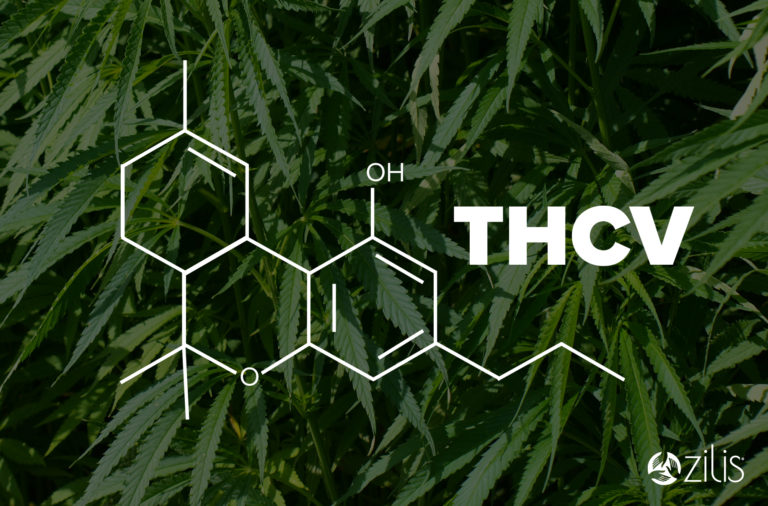
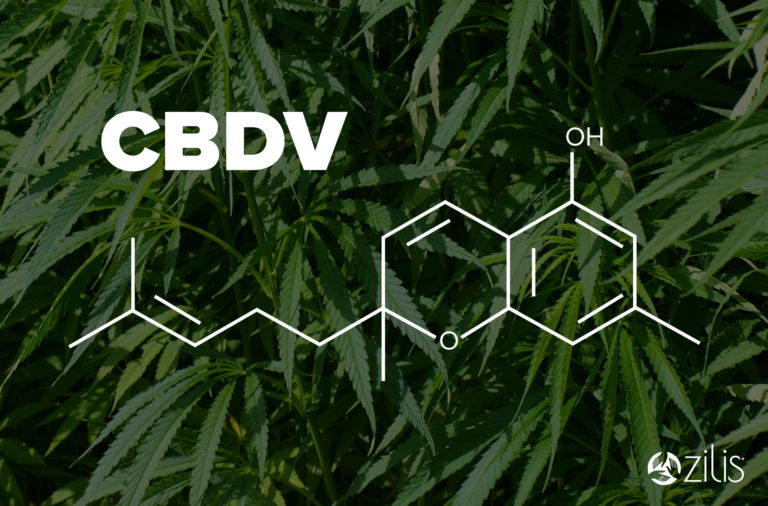
As the science evolves over time, and the variations in the hemp plant continue to change through breeding techniques and genetic research, we will see the potential of many more cannabinoids like Tetrahydryocannabivarin (THCV) and Cannabidivarin (CBDV), which have already begun to show therapeutic potential across multiple body systems. Studies have demonstrated the potential of THCV to support emotional balance, support healthy appetite level and also supports healthy bone growth as studies revealed it binds with both CB1 and CB2 receptors throughout our ECS. 12 Likewise, CBDV has shown promise in supporting healthy brain development and healthy cellular function by binding with the non-cannabinoid receptor, TRPV1,13 previously mentioned as a binding site for CBC. In addition, a few companies have started looking into cultivation of pharma grade, algae-based cannabinoids for medical therapies. With the potentially massive grow ability, algae-based cannabinoids could eliminate the need for synthetic cannabinoids.14 As many believe the 2018 Farm Bill was passed to create a new stream of income for U.S. farmers, synthetic cannabis and non-hemp derived cannabinoids may become obsolete (i.e. under the guidelines of the U.S. Hemp Authority Certification, synthetic cannabinoids and non-hemp derived cannabinoids are not allowed). We will discuss the ins and outs of the U.S. Hemp Authority in a future post.

For the continued benefit to our bodies and in order to support inner balance, it is important for us to learn more about cannabinoids and to support the research being conducted on these compounds. Although this post discussed the benefits of major cannabinoids in the hemp plant, we did not discuss the most popular oneโ€”CBD.  Never fear! We didnโ€™t forget it. This cannabinoid is so important, it deserves its own post. In our next post we will take an in-depth look at CBD and the benefits that have been uncovered by past and current research.

History of Hemp in the U.S.

Happy Independence Day! For Americaโ€™s birthday this year, we are taking a walk through the history of our nation to uncover the facts about hemp in the United States. In this weekโ€™s special edition post, letโ€™s look at how our forefathers cultivated and used hemp in the U.S and how freedom from hemp prohibition is allowing us to use this agricultural commodity again.

History of Hemp in the US

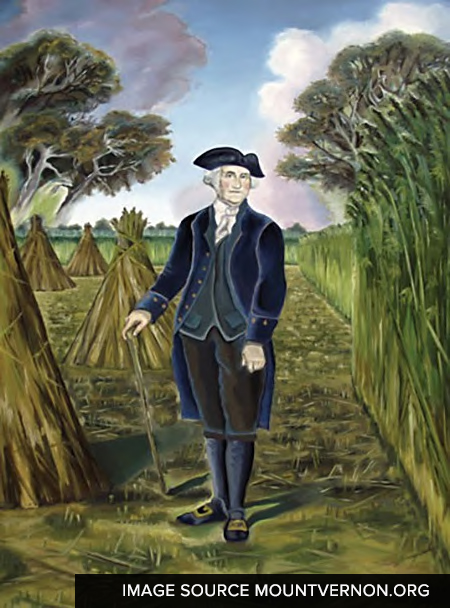
Cannabis sativa L. in the form of hemp (with a THC level not greater than 0.3%), has a rich and deeply rooted history in this country, as it was long-already being cultivated by indigenous tribes for its fiber, grain, and other purposes long before Hempstead, Long Island; Hempstead County, AR; Hempstead, TX; Hemphill, NC; and Hempfield, PA were settled. At the Jamestown settlement in 1616, hemp was grown to manufacture sails, rope, and clothing. The Mayflower itself could not have carried the Pilgrims to Plymouth without its tonnage of hempen sails, rigging, and hemp oakum used as caulking between the shipโ€™s wooden boards. By the 1700s, hemp was of such importance to the security of our emerging nation that during times of shortage colonial farmers were legally required to grow hemp as a staple crop. George Washington grew hemp on his farm at Mt. Vernon because he predicted it would be a more valuable crop than tobacco.

At the time of the American Revolution, the first drafts of the Declaration of Independence were written on hemp paper, however the final draft was penned on animal-skin parchment in 1776. Hemp was legal tender from 1631 to the early 1800โ€™s and could be used by farmers, and others, to pay taxes. From common families to President Lincoln, hemp fiber and hempseed oil were used for a multitude of household purposes, such as for textiles, nutrition, and fueling household lamps.

Early 20th Century

Fast forward into the 20th century and we find that hemp was grown and had been used freely for decades, even centuries, in the United States. In 1916 the U.S. Department of Agriculture (USDA) published findings that showed hemp produces four times more paper per acre than an acre of trees. Even the ten-dollar bill displayed the image of hemp farmer in his fields until 1914.

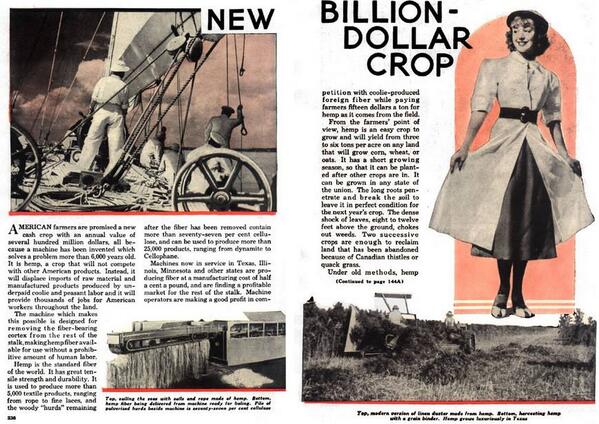
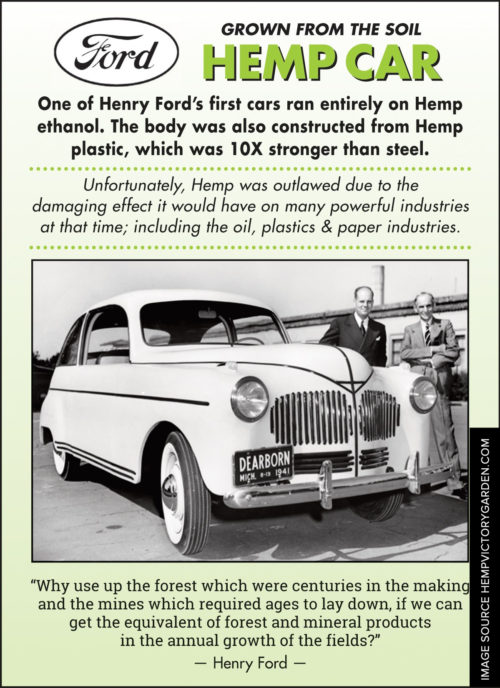
Americans continued to champion hemp until the 1937 Marihuana Tax Act was enacted and heavy taxes discouraged the production of hemp. The taxes were so high that cultivating hemp became unaffordable, even though hemp was still touted as a plant with multiple advantages. In 1938, Popular Mechanics magazine published an article about how hemp could be used for over 25,000 different products, but only those who could afford the taxes would experience hempโ€™s benefits. Popular hemp products ranged from items like fishing nets, overalls, bed linens and other everyday items to products that used hemp cellulose,  like cellophane and dynamite. Even car manufacturer Ford Motors, built a โ€œHemp Carโ€ constructed of hemp plastic that ran on hemp ethanol.

The War Effort

With cannabis-derived products like hempen ropes and sails taxed into near extinction, the U.S. was left at a disadvantage after entering World War II when supplies like rope, sails, and new technologyโ€“the parachute, needed cordage. The USDA initiated the Hemp for Victory campaign in 1942 to reinstate hemp farming in an effort to support the war effort.

The Hemp for Victory propaganda film educated Americans about all the benefits of hemp, re-taught farmers how to grow hemp, and encouraged everyone to โ€œGo Hempโ€ for the good of the country and the war effort. The success of the campaign produced 150,000 acres of hemp for rope, parachute webbing, firehoses, and soldierโ€™s shoelaces. After WWII was over, hemp fell by the wayside once again. The last commercial hemp field was planted in Wisconsin in 1957. 

Late 20th Century

Hemp was grown commercially, but still taxed heavily. By 1970, the last act to make hemp and cannabis illegal passed. The 1970 Controlled Substance Act passed and formally classified hemp as an illegal Schedule I drug, essentially placing hemp with marijuana in the same group with cocaine and heroin. The Controlled Substance Act legislation vilified Cannabis sativa L. as a dangerous drug and no distinction was made between the two species: hemp and marijuana.

The next few decades of hemp history have been a whirlwind of research, regulation, and rejoicing. In the 1990s, research on cannabis, both hemp and marijuana, was exploding with new information about how cannabis can be used to benefit the body. By 1998, the U.S. began importing food-grade hempseed and hempseed oil from other countries and by 2004, the Hemp Industries Association sued the Drug Enforcement Agency (DEA) in the 9th Circuit Court. They won the right to have sales of hemp foods and hemp body care products permanently protected, defeating the DEA. Their victory paved the way for industrial hemp farming to begin again and in 2007, the first hemp licenses in over 50 years were granted to two North Dakota farmers.

The 21st Century

Seven years later, President Obama signed the Agricultural Act of 2014 (referred to as the 2014 Farm Bill) allowing States to start pilot programs for hemp farming and hemp research, and the following year, the 2015 Industrial Hemp Farming Act (H.R. 525 and S.134) was introduced to try to remove federal restrictions on industrial hemp. Finally, after 81 years of prohibition, the Hemp Farming Act was passed as part of the 2018 Farm Bill on December 20, 2018.

The Hemp Farming Act removed hemp and all hemp extracts from the Controlled Substances Act Schedule I Class of Drugs.

In the summer of 2018, hemp returned to George Washingtonโ€™s Mount Vernon farm and in August 2019, the USDA reported that American farmers had more than quadrupled the amount of land planted with hemp over the prior year. One month later, 544 active hemp seed licenses were granted in the U.S. with 10,672 cultivator licenses in 30 states and 1,323 process licenses. The USDA released their regulations for the hemp industry and passed the Interim Final Rule (IFR) January 27, 2020, with an effective date of March 1, 2020.

The truth is that the United States has had a storied relationship with hemp and hemp products since the very beginning. Hereโ€™s to many more centuries of hemp in America!

Happy 4th of July to you all!

Hemp vs Marijuana

https://blog.zilis.com/hemp-vs-marijuana/

Whatโ€™s the Difference?

Right now, and for the past year at least, there has been so much written, tweeted, and publicly discussed about CBD, THC, hemp and marijuana. So much so that even the basic information can now seem confusing. Here at Zilis, we get a lot of questions about our products. For instance, โ€œwill it get me high?โ€, โ€œwill I be arrested if I have this in my car?โ€, and  โ€œwhatโ€™s the difference between hemp and marijuana?โ€ are very common questions we receive daily.  To help walk everyone through the tough questions and harder topics, we started a blog, and as all things have a beginning, we decided our blog should start by discussing the plant that our hemp products are made from. Both hemp and marijuana come from the Cannabis sativa plant.  So, if it all comes from the same source, whatโ€™s the difference?

Is it hemp? Is it marijuana?

The most important fact to understand about hemp and marijuana is that the only real difference comes down to the tetrahydrocannabinol, or THC, level in the plant. THC is a known compound that leads to the psychotropic, or โ€œhighโ€ feeling reported after marijuana use. Hemp is purposely bred to be low in THC while marijuana is purposely bred to be high in THC. In the U.S., hemp is defined by Federal Law as a cannabis plant containing no greater than 0.3% THC and marijuana is defined has having more than 0.3% THC.  Clear as mud, right?  It just means that farmers who grow a hemp variety of cannabis must ensure that the plant they harvest has a THC percentage that is no greater than 0.3%.  If the THC in the harvested plant material tests higher than 0.3%, it violates the Hemp Farming Act regulations found in the 2018 Agricultural Improvement Act and may have to be destroyed as dictated by state or federal authorities. These regulations assure that the hemp we buy to produce our UltraCellยฎ Berry, Lemon, Raw, Topical, Pet, and CBG products has been tested and legally grown.

Did you know that Hemp is a multipurpose crop?

Products & Food

As mentioned above the main differentiating factor of hemp is that it cannot have a THC content greater than 0.3%. How hemp is used also sets it apart from marijuana. Historically, hemp was known as a key raw material for textiles, including clothing, rope/shipsโ€™ rigging, paper, and packing materials; car parts; parachute webbing; and baggage.

Hemp has also been used as a food source throughout history because it contains an abundance of nutrients like amino acids and essential fatty acids. Both amino acids and essential fatty acids are important for the body to repair itself. The seeds from hemp contain protein and are also rich in minerals, including zinc, calcium, iron, sodium, magnesium, potassium, phosphorus, and vitamin E[1]. Interestingly, about 25% of calories in hemp seeds come from protein, which is relatively high. In fact, by weight, hemp seeds provide similar amounts of protein as beef and lamb, yet represents a healthier, plant-based source of protein, and contains other nutritional benefits, like Omega-3, Omega-6, and fiber. Hemp and hempseed may also benefit those countries in need of supplemental nutrition or act as a solution for inadequate nutrition due to its sustainability and the ease by which it can be grown.

Hemp Today

Many countries around the world have grown hemp for millennia. More recently, new products like hemp plastics and hempcrete (used for home construction) have been developed. These products are environmentally friendly and can be made to support a more sustainable type of material.

Weโ€™ve also taken advantage of its therapeutic uses and cultivated hemp for its cannabinoids and terpenes.  Therapeutic research into the interaction of hemp with the Endocannabinoid System (ECS)* has expanded over the last few decades and this, along with its historical significance, makes hemp a valuable resource.

Hemp vs. Marijuana: Growing

When it comes to farming and growing, marijuana, used for both medical and adult recreational use, is generally grown in a greenhouse under lights; hemp tends to be grown โ€œbroad acreโ€, outdoors in large fields.  Hemp has many phytonutrientsโ€”naturally occurring beneficial compoundsโ€”because it tends to be grown outside in the open. Phytonutrients, fibers, and various agricultural features help with resistance to pests and drought, as well as the prevention of soil erosion[2].

Additionally, the cannabis plant can grow nearly anywhere in the world, in any type of soil; it is, after all, a โ€œweedโ€.  All cannabis plants (both hemp and marijuana) are known to be phytoremediators, (phyto = plant and remediation = to heal). This means, that as the plant is growing, it can absorb everything from the soil in which it is grown and can be purposely used to โ€œhealโ€ the earth. Given marijuana is not grown outdoors, hemp is generally utilized for this key property. For example, after the Chernobyl Nuclear disaster in Ukraine in 1986,  hemp was planted in an attempt to help clean up the soil around the site. Phytoremediation is great for the environment but proves why testing products for quality and safety is so important.

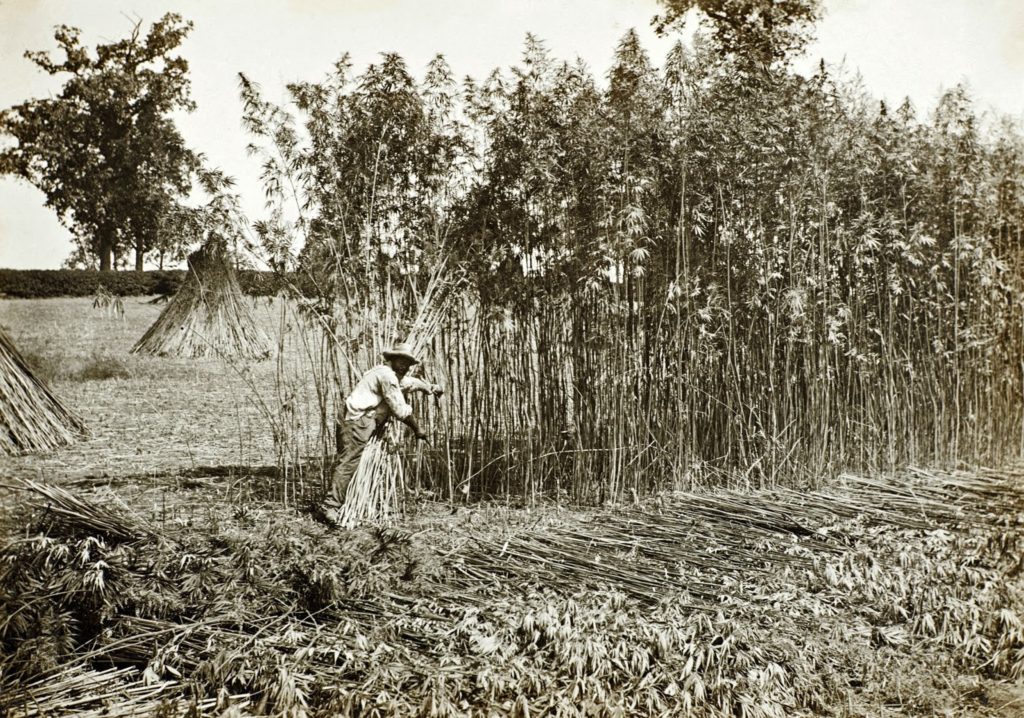
Early hemp farm in Kentucky. Image source Medium.com

History of hemp in the U.S.

Hemp was used in the United States throughout WWI and the Dust Bowl era until it was outlawed by the 1937 Marihuana Tax Act. At the time Dupont invented and patented nylon to create parachutes and parachute cord because they could no longer use hemp as they had in the past. During WWII, however, the restrictions on hemp were lifted and the U.S. launched the โ€œHemp for Victoryโ€ campaign. The Hemp for Victory propaganda film, which can still be found on YouTube,[3] was released in 1942, explained the uses of hemp and encouraged farmers to grow as much hemp as possible to support the war effort. Other industrial fibers, often imported from overseas, were in short supply and the U.S. needed hemp for the manufacturing of naval rope, parachute webbing, shoelaces for soldiers and firehoses. After WWII, the ban on hemp was reinstated, making hemp and hemp-derived products illegal again. The ban on hemp would last for over eighty years.

During WWII, however, the restrictions on hemp were lifted and the U.S. launched the โ€œHemp for Victoryโ€ campaign. Image source CNN.COM

In 2014, hemp was declared federally legal, but restricted to research only, under the Agricultural Improvement Act. After hemp pilot programs were granted to some state and university research facilities, hemp was finally removed December 20, 2018, from the Controlled Substance List with the passage of the Hemp Farming Act, found in the U.S. Agricultural Improvement Act of 2018.

Hopefully, the differences between hemp and marijuana are clearer. Feel free to spread the word: hemp and marijuana are different because of how they are grown, why they are grown, and how they are used!

* We will go into the ECS in more depth in a future article, but just a quick review: The ECS is a complex network of receptors that are found throughout the brain, body, and immune system. This system is believed to be responsible for balancing internal functions related to sleep, relaxation, cognition, etc. Your ECS is fueled by endocannabinoids, which are molecules produced by your body to interact with these receptors. When the production of endocannabinoids is slowed or imbalanced, phytocannabinoidsโ€”produced by the hemp plantโ€”can supplement what the body may be lacking.


[1] Calloway, J. C. (2004). Hempseed as a nutritional source: An Overview. Euphytica, 140, 65โ€“72. doi: 10.1007/s10681-004-4811-6 0

[2] Andre, C. M., Hausman, J. F., & Guerriero, G. (2016). Cannabis sativa: The plant of a thousand and one molecules. Frontiers in Plant Science, 7(19). doi: 10.3389/fpls.2016.00019

[3] www.youtube.com/watch?v=d3rolyyiTPr0

Source: https://blog.zilis.com/hemp-vs-marijuana/

State Regulatory Overview & Federal Factors

Our post this week is brought to you by guest blogger Joy Beckerman, an expert in hemp law and regulations and the new Director of Regulatory and Legal Affairs at Zilis. Joyโ€™s overview of the different Statesโ€™ regulatory guidelines and contributing Federal factors helps shed light upon how the industry is moving forward and what the industry leaders are doing to ensure access across the country.The dome of the United States capitol with an American flag and dramatic clouds behind

As a preliminary matter, itโ€™s key to understand that just because a Federal law is passed to either partially or fully legalize something, it doesnโ€™t mean that it automatically becomes legal in all 50 States. Under the U.S. Constitution, each of our 50 states wield and maintain political powers held for its own State government rather than Federal government. This is why we see a patchwork of laws and their corresponding regulations across the 50 States on a spectrum of issues.

2014 Farm Bill

After decades of advocacy by dedicated grassroots activists and heroic professionals and legislators who later joined the hemp revolution, a short but significant provision titled, โ€œLegitimacy of Industrial Hemp Researchโ€ within the Agricultural Act of 2014 (2014 Farm Bill) was passed; and the amazing hemp crop began to re-establish itself under agricultural pilot programs to study the growth, cultivation, and marketing of industrial hemp in States that enacted laws allowing the cultivation of hemp. The 2014 Farm Bill also defined industrial hemp for the first time in U.S. history, thereby distinguishing it from its Cannabis cousin commonly known as marijuana.

While the 2014 Farm Billโ€™s introductory words clearly stated, โ€œIn Generalโ€“notwithstanding the Controlled Substances Actโ€ฆโ€ 1 โ€”meaning not subject to the Controlled Substances Actโ€”the U.S. Drug Enforcement Administration (DEA) held and publicized the erroneous position for the next four years that hemp extract and cannabinoids derived from hemp were still controlled substances.

The hemp industry was ultimately forced to file a lawsuit against the DEA in the Ninth Circuit Court of Appeals to prove that no part of the hemp plant sown under the provisions of the 2014 Farm Bill, including hempโ€™s derivatives, extracts, and cannabinoids, were controlled substances. Yet, due to the DEAโ€™s messaging, many States were hesitant to embrace the safe and legal opportunities provided by the agricultural pilot program pathway.

2018 Farm Bill

Learning from all this confusion, hemp industry advocacy organizations and Federal legislators began to carefully and strategically draft expanded hemp provisions in the Agriculture Improvement Act of 2018 (2018 Farm Bill), which was enacted on January 1, 2019. The three most relevant provisions of what weโ€™re seeing among the 50 Statesโ€™ permissions and regulationโ€”or lack thereof, as the case may beโ€”are as follows:2

  • Hemp and tetrahydrocannabinols derived from hemp were unequivocally removed from the Controlled Substances Act;
  • The definition of โ€œhempโ€ was expanded for total clarity by specifically stating, โ€œThe term โ€˜hempโ€™ means the plant Cannabis sativa and any part of that plant, including the seeds thereof and all derivatives, extracts, cannabinoids, isomers, acids, salts, and salts of isomers, whether growing or not, with a delta-9 tetrahydrocannabinol concentration of not more than 0.3 percent on a dry weight basis.โ€ (Emphasis added.); and
  • Nothing in the Bill affects or modifies the Federal Food, Drug, and Cosmetic Act.
Image source Florida Farm Bureau.

The final point about the Federal Food, Drug and Cosmetic Act is important for the hemp industry with regard to dietary supplements and food additives. Within the Federal Food, Drug, and Cosmetic Act, a provision commonly referred to as the โ€œInvestigational New Drug (IND) Preclusion,โ€ states that if an article has been authorized for investigation for which substantial clinical investigations have been instituted, and made public, then products containing that substance are precluded from the definition of a โ€œdietary supplementโ€ unless it was marketed as a dietary supplement or as a conventional food before new drug investigations were authorized.3

What does this mean? A great example is the use of cannabidiol (CBD) in the approved drug EPIDIOLEXยฎ. Cannabidiol was submitted as an IND, with substantial clinical investigations made public, and it is currently being debated as to whether CBD can be considered a dietary supplement because no evidence has thus far been identified to demonstrate that CBD  was marketed as a dietary supplement before being used in clinical trials to treat specific childhood epilepsy disorders. Regardless of such evidence, this same statute also grants authority to the U.S. Food & Drug Administration (FDA) to override this restriction and simply issue a regulation allowing a substance to be marketed as a dietary supplement that would otherwise be prohibited under the IND Preclusion. The IND Preclusion only applies to dietary supplements and foods and does not apply to cosmetics, thus cosmetics containing CBD are not affected.

The Market
Despite the ongoing debate, the CBD dietary supplement and food markets have grown to such an extent that the Gallup Poll reported in August of 2019 that one in seven [or 14% of] Americans is using a CBD product of some kind.4 This has occurred because the FDAโ€™s statements concerning the debate amount only to a guidance position at this point. The FDAโ€™s guidance position has never been determined by the courts to be valid, and is neither final, nor legally binding since no final agency actions or determinations have been issued on the subject. In fact, FDA Commissioner Stephen Hahn recently stated during his address at the National Association of State Departments of Agricultureโ€™s 2020 Winter Policy Conference, โ€œPeople are using these [CBD] products. Weโ€™re not going to be able to say, โ€˜You canโ€™t use these products,โ€™ becauseโ€ฆeven if you did, itโ€™s a foolโ€™s game to even try to approach that.โ€5

The hemp industry coalition has been lobbying the FDA to use its overriding authority to allow CBD products to be marketed as dietary supplements and added to food. It has also been providing guidance and safety data to assist the FDA in creating a regulatory framework for quality assurance oversight of hemp processing. The coalition has also been lobbying Congress to mandate these actions, and there is much encouraging movement in these regards.

Challenges Today

In the meantime, and until the FDA formally acts, a mishmash of State laws and regulations govern CBD, with some States only allowing cosmetic CBD products to be sold, and others still not allowing any CBD products to be sold. Conversely, certain States allow all CBD products to be sold with virtually no oversight, while yet others are taking quality assurance into their own hands by creating laws and regulations allowing the sale of all or certain CBD products that are produced in accordance with various testing, labeling, and good manufacturing practices. Some States even have onerous product registration requirements that apply to both in-State and out-of-State manufacturers and distributors.

For the States that do have labeling requirements, these requirements often differ from State to State, making it impossible for national CBD industry leaders to print a single label that complies with all of the various State labeling mandates. One State even requires language that is very similar to, but differs from, FDA-required labeling language, making it impossible to print a label for that State that complies with both State and Federal law.

Yet hemp and its cannabinoids are legal again because we put one foot in front of the other and continue marching this plant down the field. Most State authorities greatly support the CBD industry and do not enforce excessively burdensome requirements. All will eventually come around right and one day weโ€™ll look back on how this critical body of law and regulation unfolded with humor. Stay the course and engage in the process!


[1] Agricultural Act of 2014; H.R. 2642; Pub.L. 113โ€“79, also known as the 2014 Farm Bill

[2]  Agriculture Improvement Act of 2018; S. 3042; Pub.L 115-334, also known as the 2018 Farm Bill

[3] ยง201(ff)(3)(B) of the Federal Food, Drug, and Cosmetic Act [21 U.S.C. ยง 321(ff)(3)(B)]

[4] Jones, J., Saad, L. (2019) Gallup Poll, June 19-July 12, 2019 CBD Consumption Habits [data set] Random sampleโ€”2,543โ€”American adults in all 50 states and the District of Columbia. Retrieved from news.gallup.com

[5] YouTube, โ€œFDA Commissioner Hahn makes first public comments on CBDโ€

Source: https://blog.zilis.com/hemp-vs-marijuana/