Benefits of Cannabidiol (CBD)

Over the last few months weโ€™ve given you an overview of hemp, the endocannabinoid system (ECS) and the beneficial cannabinoids found in Cannabis sativa L. In last weekโ€™s post The Benefits of Cannabinoids there was one significant cannabinoid missing, cannabidiol (CBD). In this weekโ€™s post we will discuss the wildly popular cannabinoid cannabidiol (canna-bi-diahl) and help you begin to understand the distinctions between various CBD product forms.

Nowadays, CBD is everywhere and is constantly being talked aboutโ€” and for good reason! With so many options, product types, and forms, it has become increasingly difficult to make an educated decision about which form of CBD to choose. One of the most important things to understand is how to determine the differences between CBD products. One topic we will discuss further, following the benefits of CBD, is how to understand the differences in forms of CBD, including full spectrum, broad spectrum, or isolate products.

As we shared in our earlier post Hemp vs. Marijuana, CBD was discovered in the 1940s and is one the most abundant cannabinoids in the hemp plant. It does not produce the psychotropic effects commonly associated with THC. When CBD was discovered, researchers recognized the potential of the plant, but due to legality reasons, which have unfortunately continued until very recently, and other obstacles it took over 20 years to begin really exploring and understanding how to best expand on some of the original findings. Throughout 1963-64, Dr.Raphael Mechoulam, an organic chemist at the Weizman Institute in Israel, and his team worked to identify the chemical structure of CBD, isolate it, and then synthetically recreate it in his lab. They found that, although CBD is one of the most abundant cannabinoids, it could be given at increased amounts with little to no side effects. It was Dr. Mechoulam and his team that first recognized that CBD had antiepileptic properties, research that would later be used to develop FDA approved pharmaceuticals; one for use in rare childhood seizure disorders. [1]

What is Cannabidiol (CBD)?

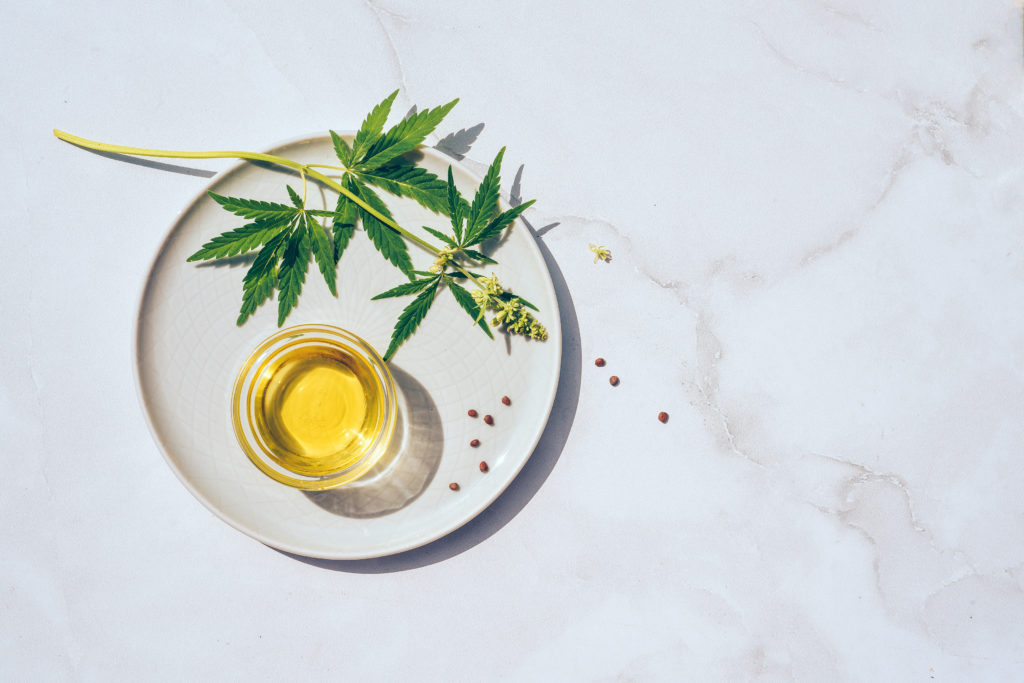
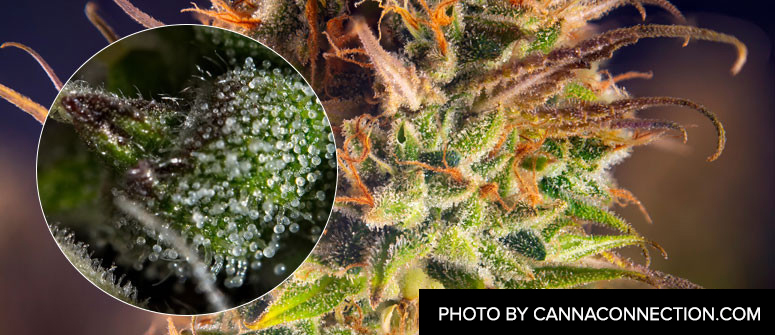
CBD is a phytocannabinoid found in various concentrations through most parts of the hemp plant, but the highest levels are found in the flowers and trichomes. Phytocannabinoids accumulate in the sticky cavity of trichomes, which are small hairs that largely occur in female flowers and can be found in lower concentrations in other aerial parts of the plant.[2]
Benefits of CBD
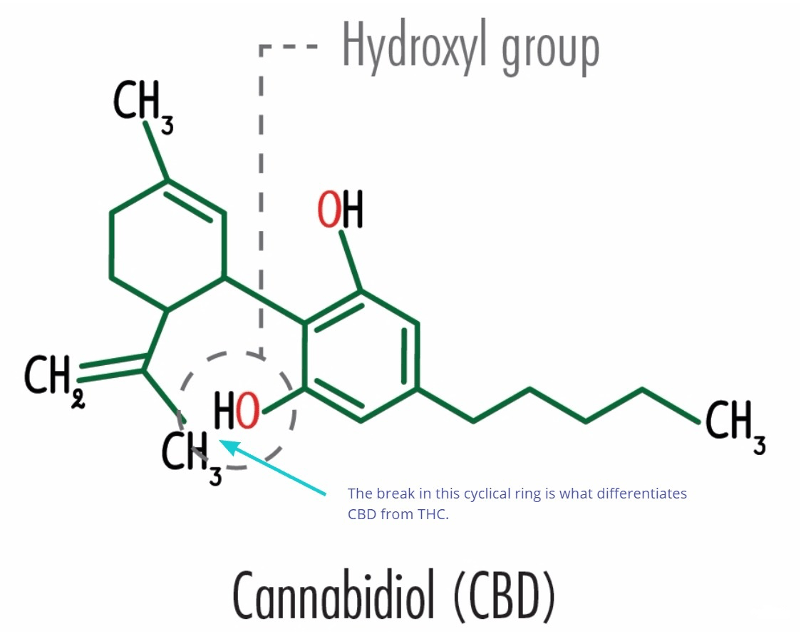
In our last post titledย The Benefits of Cannabinoids, we learned that CBD does not just start as CBD. It is created through a series of chemical conversions which occur in nature mostly through changes in temperature and time.ย This begins when Cannabigerolic acid (CBGa), the mother of cannabinoids, is broken down into its non-acidic form Cannabigerol (CBG), which then breaks down into Cannabidiolic acid (CBDa) and Tetrahydrocannabinolic acid (THCa). CBDa is then further broken down into CBD.
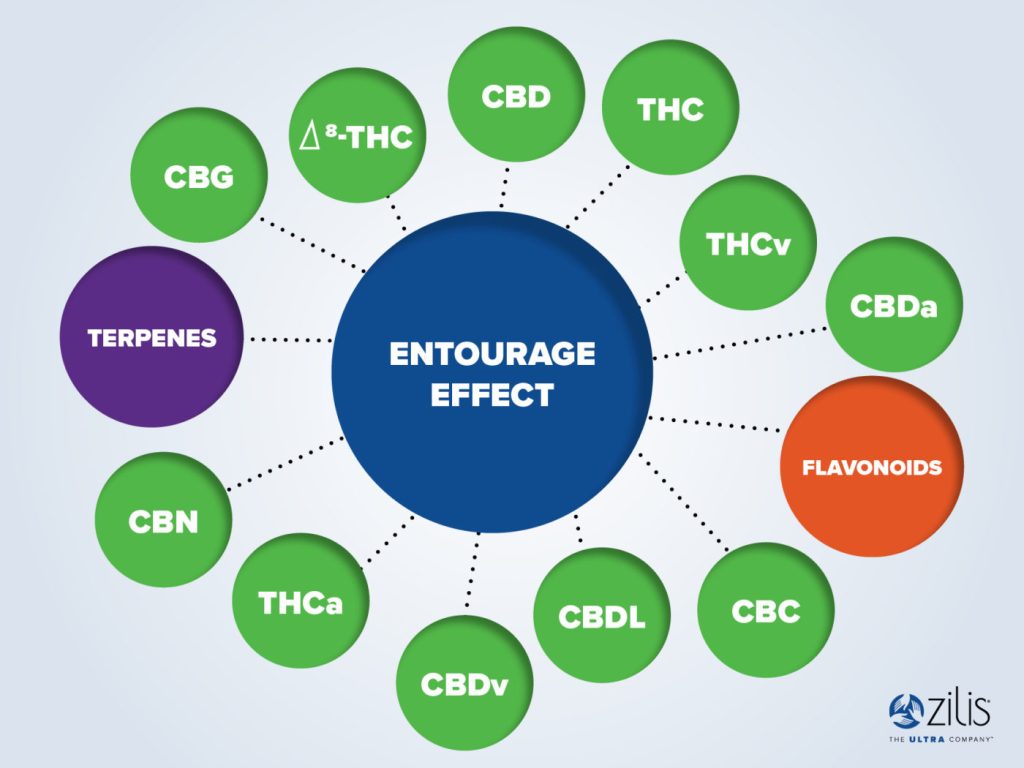
Interestingly it is estimated that by 2025 CBD will be close to a $25 billion-dollar industry.[3]ย Clearly CBD has gained some incredible popularity with consumers, but we are also seeing an increase in research and clinical studies of the compound and are starting to discover new and exciting benefits. There is increasing evidence that CBD has numerous therapeutic potentials and is essential to supporting inner balance and the overall health and wellness of many of our bodyโ€™s systems. If you read our previous posts on the ECS, you know that CBD binds to the network of receptors throughout the body that make up the ECS and play an important part in regulating pain perception, balanced emotions, and other autonomic functions. Several studies demonstrate the reduction of pain perception following intake of CBD,[4]ย and when combined with other phytocannabinoids, it can cause an even greater reduction in pain perception. This research also supports the importance of the entourage effect to benefit health, using the synergistic effects of all the compounds found in hemp versus using isolated compounds.
What is not commonly known about CBD and its potential benefits is that, in 1999, the U.S. Government, under the Department of Health and Human Services, filed a patent on non-psychoactive cannabinoids, including CBD, as a treatment for specific illnesses. The U.S. Government was awarded that patent in 2003; โ€œCannabinoids as antioxidants and neuroprotectants, Unites States Patent 6,630,507โ€. Click here to see the full patent.

As popularity has grown over this compound both medical and regulatory agencies have begun to weigh-in with their opinions about the benefits and safety profiles of CBD. For example, the World Health Organization (WHO) published their Cannabidiol (CBD) Critical Review Report[5] where the WHO discussed the available research in regard to medical and recreational uses, safety profiles, and outcomes following CBD usage. Following this report, the WHO recommended that pure CBD and CBD preparations containing no more than 0.2% THC should no longer be included in the international drug control conventions, after noting in their report that CBD had been found to be โ€œgenerally well tolerated with a good safety profileโ€.

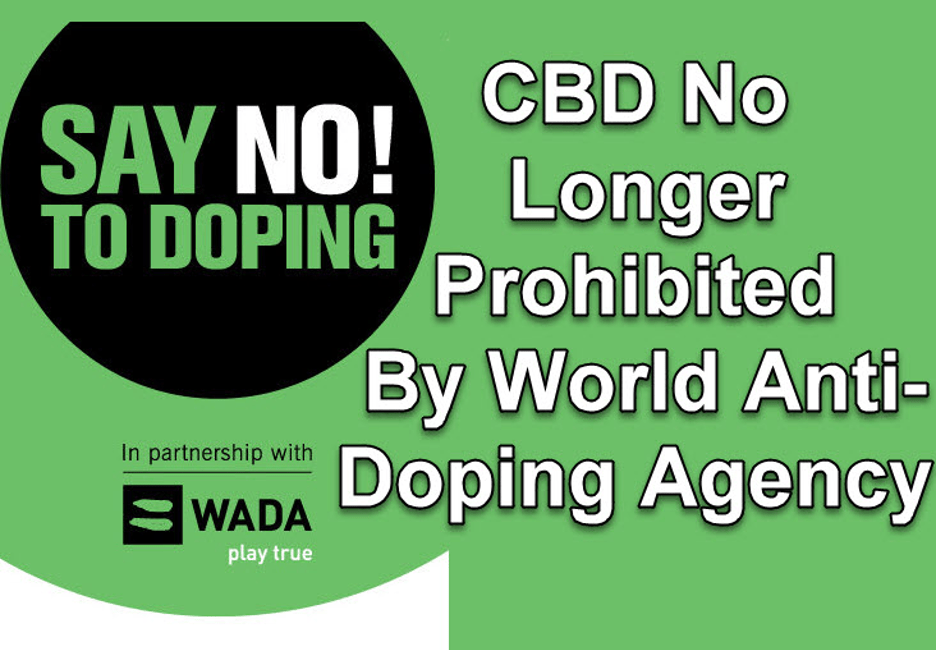
Interestingly, in addition to the WHOโ€™s recommendation to remove CBD from international drug control conventions, the World Anti-Doping Agency (WADA), an international organization that โ€œwas founded with the aim of bringing consistency to anti-doping policies and regulations within sport organizations and governments right across the worldโ€[6], removed CBD from their list of prohibited substances. However, it is important to note that although CBD is no longer prohibited, athletes should be aware that many CBD products contain low levels of THC, which is still a prohibited substance under WADA.
Product Formulation of CBD
For the majority of CBD supplements on the market it appears the products are mostly sold in three different overarching forms, or categoriesโ€”full spectrum extract, broad spectrum extract, and isolate, but what is the difference?
The following definitions of these products have come from the U.S. Hemp Authority Glossary, developed to promote standardized labeling for the hemp industry.
  • Full Spectrum Extract โ€œis hemp extract including THC and other cannabinoids, terpenes, and other naturally occurring compounds, that has been processed without intentional complete removal of any compounds and has a final THC quantification of not greater than 0.3%.โ€
  • Broad Spectrum Extract โ€œis hemp extract that has been intentionally processed to remove THC such that the quantified THC has been deemed non-detectable by a compliant laboratory using a fit-for-purpose method with a limit of quantification of less than 0.01%.โ€
  • Isolate โ€œis the confined molecule and most pure form of the cannabinoid such as CBD.โ€

Ultimately, the difference between a full spectrum, broad spectrum, and isolate products seems to come down to efficacy; the degree of product processing; and number of compounds in the final product. The most important thing you can do as a consumer is to first research the different forms and then choose a product to best fit your needs and desired outcomes.

Because each form of CBD is specific to a consumerโ€™s need, the conversation around full spectrum versus broad spectrum versus isolate CBD is a much bigger one. We will go into more detail about the specific differences about each of these forms of CBD and how they contribute to the entourage effect in a future post.


[1] Bialer, M. (2019) Raphael Mechoulam adn the history of cannabis research. Epigraph. Vol 21 (1) https://www.ilae.org/journals/epigraph/epigraph-vol-21-issue-1-winter-2019/raphael-mechoulam-and-the-history-of-cannabis-research
[2] Andre, C. M., Hausman, J. F., & Guerriero, G. (2016). Cannabis sativa: The Plant of the Thousand and One Molecules. Frontiers in plant science, 7, 19. https://doi.org/10.3389/fpls.2016.00019
[3] 2019 CBD Market Report (Rep.). (2019). Retrieved June 26, 2020, from Brightfield Group website: https://content.brightfieldgroup.com/2019-us-cbd-market
[4] Cannabidiol (CBD): Critical Review Report (Rep.). (2018, June 4). Retrieved June 26, 2020, from World Health Organization website: https://www.who.int/medicines/access/controlled-substances/CannabidiolCriticalReview.pdf
[5] What We Do. (2017, December 01). Retrieved June 26, 2020, from https://www.wada-ama.org/en/what-we-do
[6] 2019 CBD Market Report (Rep.). (2019). Retrieved June 26, 2020, from Brightfield Group website: https://content.brightfieldgroup.com/2019-us-cbd-market
Understanding Sleep and the ECS

Our post today is brought to you by one of our very own Zilis Ambassadors, Dr. Steven Todd. Dr. Todd is a retired board-certified Oral Implantologist and Dental Anesthesiologist, who served as Adjunct Professor at the Ohio State University School of Dentistry. From 1982-85, he was the 3rdย Infantry Division, 3rdย Medical Battalion U.S. Army Field Dental Surgeon. Dr. Todd holds a masterโ€™s degree in Regenerative Medicine with an emphasis on health & wellness. His private practice focuses on sleeping disorders and dental sleep medicine.

Zilis Ambassadors, Dr. Steven Todd

As we begin our journey into sleep and the ECS, letโ€™s start with the basic understanding of the ECS. The ECS has a fundamental job of maintaining balance in many biological processes including appetite, metabolism, and regulation of sleep-wake cycles.1ย The ECS may also play a significant role in how we dream,2ย influencing what we dream about and how emotionally intense our dreams are. The ECS may also indirectly influence sleep through its work balancing mood, stress, or immunity. So, what can you do if you canโ€™t sleep?ย  Balance your ECS with CBD!

Sleep 101

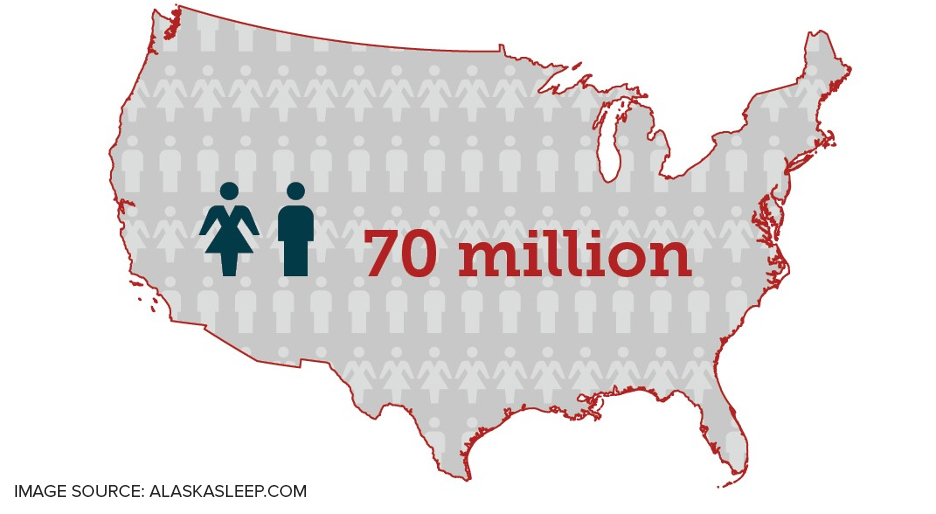
Letโ€™s review a few basics of sleep first.ย Whileย you sleep, your body restores the energy expended during the day.ย Whenย you sleep is generally maintained by your circadianย (sir-cade-ian)ย rhythm. ย This natural, internal process is what helps regulate your awake and sleep cycles and repeats every 24 hours.ย  It is representative of what a balanced system looks like. ย We also know that sleep is the number one missing ingredient for a healthier life. It affects every area of our lives and is as important as breathing, eating, and drinking water. You can go about four days without water, 25 days without food, 8-10ย minutes without air, and 6-7 days without sleeping. Sleep is necessary to regenerate your mind and body. Getting the right amount of sleep will give you more energy and vitality, may keep you from gaining weight, and may help you lose weight. In theย Journal of Science, women reported that a restful sleep was more important than a household income and marital status. Sleep helps the unconscious mind reprogram through complex decisions, and without sleep, cognitive ability is reduced. It affects every organ system and every disease state. Sleep is real healing โ€“ emotional, physical and spiritual. Even though sleep has direct impact on our sense of well-being, there is a real problem: 70 million Americans report they have sleeping problems.3

About 70 million Americans suffer from a sleep problem. Our nationโ€™s sleep problem is so widespread that the CDC has called insufficient sleep a โ€œpublic health epidemic.โ€

What role does cannabis play?

The topic of sleep is a big one that covers far too much information for a single article. Today, weโ€™ll focus on how hemp-derived cannabis interacts with the body in the realm of sleep.* We know by now that humans have used cannabis in many ways for thousands of years. Scientist have been studying the active compounds in cannabis and have found therapeutic properties to assist with sleep issues. Going to sleep at night and being awake during the day are the natural cycles of our circadian rhythm. When that cycle is disrupted, for whatever reasonโ€”shift work, trauma, travel, health issuesโ€”you start to suffer.ย Using hemp-derived CBD products to help improve sleep alsoย  recalibrates our circadian rhythm and returns our ECS to balance for optimal health and wellness.*

How does CBD affect the cycles and stages of sleep?

There is not a simple answer to that question, but two factors that affect the stages (REM and Non-REM sleep) and the cycle of sleep (circadian rhythm) is 1) the quality of the product and 2) type of cannabis, or chemovar, of your CBD. There is scientific research that broadly addresses how cannabis affects sleep stages and sleep cycles.4 Bringing the ECS into balance with CBD, along with getting plenty of natural light, eating earlier, and making more time for sleep, allows your sleep stages and rhythms to enter a balanced state, providing better sleep.*  Using CBD allows the ECS to move away from overuse of endocannabinoids which swings the ECS out of balance in the opposite direction.5 There is also research that addresses the major hemp compounds found in cannabis and how they influence sleep. Several cannabinoids (not just CBD) and botanicals, like lavender or valerian root, have a direct role in improving sleep. Both CBD and CBG have been shown to assist with sleeping problems,6* and CBD has also been shown to promote relaxation.* If you remember the Benefits of CBD post, youโ€™ll know that there has been an abundance of research over the last five decades that supports the therapeutic benefits of CBD to reduce daytime sleepiness and promote alertness.7*

CBG is a newly researched and lesser known cannabinoid. A new area of interest surrounds CBG and its relationship with sleeplessness, stress related disorders, situational stress, and a host of other sleep challenges. CBG is a direct agonist (promoter) of CB2 receptors, which means it really likes binding with CB2 receptors. One amazing find is that CBG interacts with the serotonin receptors of the gut-brain axis. This is important because research has demonstrated the importance of the gut-brain connection for good quality sleep.8

Why do I wake up different hours of the night? Will CBD help?

There are many reasons why people donโ€™t sleep through the night. Some of which are:

  • a racing mind;
  • muscular or skeletal discomfort;
  • feeling emotionally unwell;
  • poor eating habits;
  • poor sleep habits;
  • breathing issues, and
  • aging.

Sleep issues are different for everyone. And, because everyone is unique, the 6 hours of sleep one person gets may not be enough for a person who requires 8 hours of restful sleep. We know that CBD can help balance the ECS which can positively impact our sleep, another factor can also help promote restful sleepโ€”vitamins!*

Nowadays, we know people do not have enough of the staple vitamins and minerals to promote healthy sleep. Incorporating vitamins and minerals into our diets can work synergistically with our CBD and ECS to enhance sleep. One of the primary markers in determining sleep health is the level of vitamin D3 (which is actually a parahormone). Vitamin D3 and associated B complex vitamins have a profound effect on sleep quality. As D3 levels are adjusted between 60-80ng/ml, sleep gets better. Research from the National Health and Nutrition Examination Survey (NHANES), compared people getting more than 7 hours of sleep per night with people getting less than 7 hours sleep per night. People with fewer than 7 hours of sleep per night, on average, consumed lower amounts of vitamins A, D3, and B complex vitamins, as well as magnesium, niacin, calcium, zinc, and phosphorus.

In summary, the ECS and overall health and wellness are tightly controlled by sleep. Sleep is our bodyโ€™s way to repair itself for the next day. These key repair mechanisms have a complex array of neurotransmitters, hormones and healing factors to facilitate a healthy nightโ€™s sleep. None of this happens unless the fundamental vitamins and minerals are in place. It is no surprise in todayโ€™s intense society that people have challenges with sleeping well. There are still many unknowns, but we do know the ECS and sleep are complex intricate orchestrations of the human body to heal, repair, and regenerate itself on a daily basis.

*These statements have not been evaluated by the Food and Drug Administration. These products are not intended to diagnose, treat, cure, prevent or mitigate any disease or medical conditions.

Stay tuned for our next post from guest writer and Zilis Ambassador Maddie Andry about why glutathione is important and how it can support your overall health.


[1] Tringale, R., & Jenson, C. (2014). Cannabis and Insomnia. Oโ€™Shaughnessyโ€™s Society of Cannabis Clinicians, August 31-32. Retrieved August 4, 2020, from https://www.semena-marihuany.cz/img/5E9EC245-448E-17B2-C7CA-21C6BDC6852D.pdf

[2] Murillo-Rodriguez E, Pastrana-Trejo JC, Salas-Crisรณstomo M, de-la-Cruz M. The Endocannabinoid System Modulating Levels of Consciousness, Emotions and Likely Dream Contents. CNS Neurol Disord Drug Targets. 2017;16(4):370-379. doi:10.2174/1871527316666170223161908

[3] Smith, S., & Paris, M. (2018, November 13). Sleeping Well in The Age of Stress: Part 2 [Web log post]. Retrieved August 13, 2020, from https://www.alaskasleep.com/blog/sleeping-well-in-the-age-of-stress-0

[4] Pava, M. J., Makriyannis, A., & Lovinger, D. M. (2016). Endocannabinoid Signaling Regulates Sleep Stability. PloS one, 11(3), e0152473. https://doi.org/10.1371/journal.pone.0152473

[5] Hanlon EC, Tasali E, Leproult R, Stuhr KL, Doncheck E, de Wit H, Hillard CJ, Van Cauter E. Sleep Restriction Enhances the Daily Rhythm of Circulating Levels of Endocannabinoid 2-Arachidonoylglycerol. Sleep. 2016 Mar 1;39(3):653-64.

[6] Russon, EB.(2008) Cannabinoids in the management of difficult to treat pain. Therapuetics and Clinical Risk Management, 4(1):245-259. Retrieved from: https://www.ncbi.nlm.nih.gov/pmc/articles/PMC2503660

[7] Murillo-Rodriguez,E et al. (2014). Potential effects of cannabidiol as a wake-promoting agent. Current Neuropharmacology, 12 (3):269-272(4). Retrieved from: http://www.ingentaconnect.com/content/ben/cn/2014/00000012/00000003/art00006

[8] Sharkey, K. A., & Wiley, J. W. (2016). The Role of the Endocannabinoid System in the Brain-Gut Axis. Gastroenterology, 151(2), 252โ€“266. https://doi.org/10.1053/j.gastro.2016.04.015