Benefits of Cannabidiol (CBD)

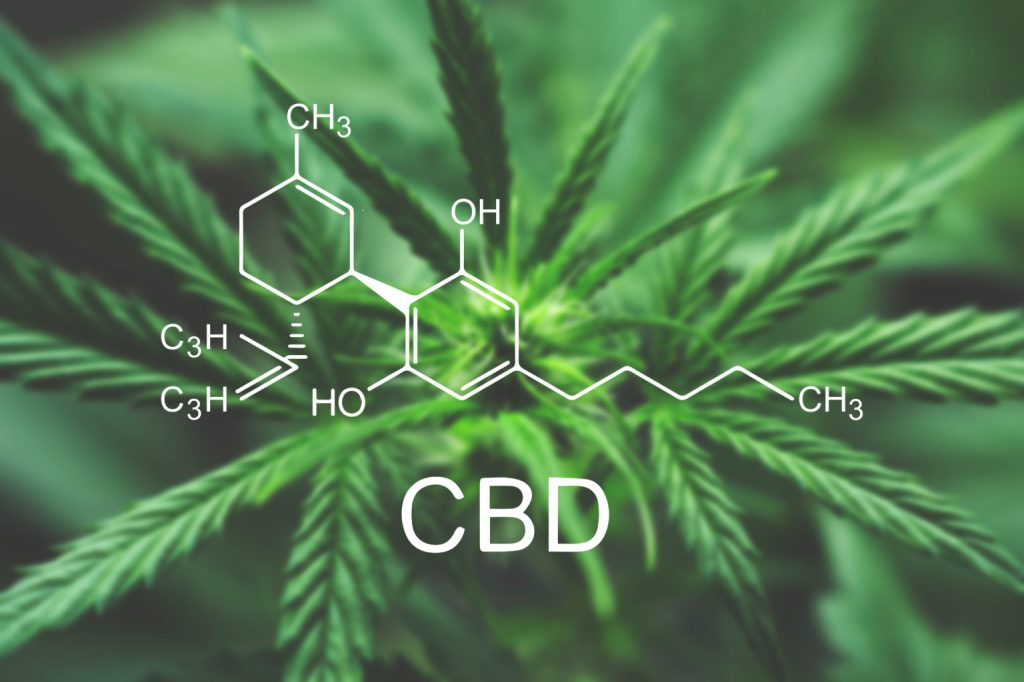
Over the last few months weโ€™ve given you an overview of hemp, the endocannabinoid system (ECS) and the beneficial cannabinoids found in Cannabis sativa L. In last weekโ€™s post The Benefits of Cannabinoids there was one significant cannabinoid missing, cannabidiol (CBD). In this weekโ€™s post we will discuss the wildly popular cannabinoid cannabidiol (canna-bi-diahl) and help you begin to understand the distinctions between various CBD product forms.

Nowadays, CBD is everywhere and is constantly being talked aboutโ€” and for good reason! With so many options, product types, and forms, it has become increasingly difficult to make an educated decision about which form of CBD to choose. One of the most important things to understand is how to determine the differences between CBD products. One topic we will discuss further, following the benefits of CBD, is how to understand the differences in forms of CBD, including full spectrum, broad spectrum, or isolate products.

As we shared in our earlier post Hemp vs. Marijuana, CBD was discovered in the 1940s and is one the most abundant cannabinoids in the hemp plant. It does not produce the psychotropic effects commonly associated with THC. When CBD was discovered, researchers recognized the potential of the plant, but due to legality reasons, which have unfortunately continued until very recently, and other obstacles it took over 20 years to begin really exploring and understanding how to best expand on some of the original findings. Throughout 1963-64, Dr.Raphael Mechoulam, an organic chemist at the Weizman Institute in Israel, and his team worked to identify the chemical structure of CBD, isolate it, and then synthetically recreate it in his lab. They found that, although CBD is one of the most abundant cannabinoids, it could be given at increased amounts with little to no side effects. It was Dr. Mechoulam and his team that first recognized that CBD had antiepileptic properties, research that would later be used to develop FDA approved pharmaceuticals; one for use in rare childhood seizure disorders. [1]

What is Cannabidiol (CBD)?

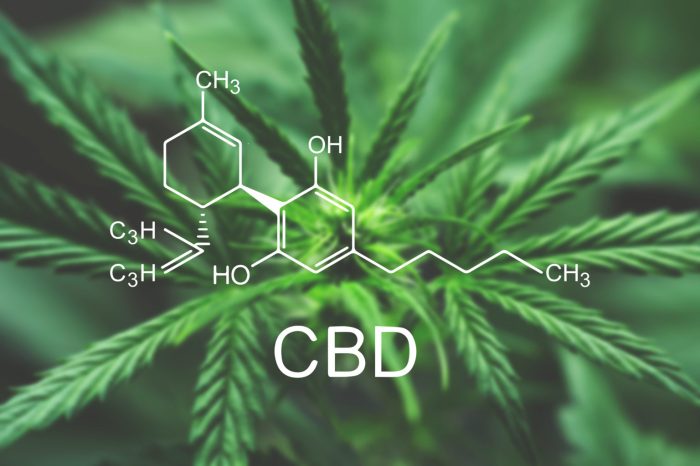
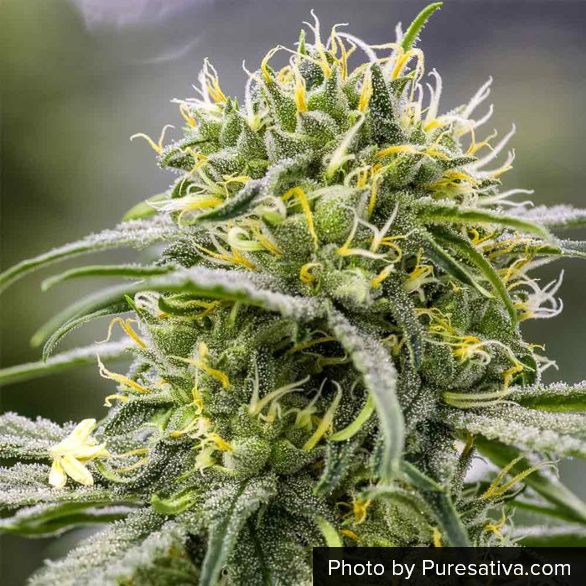
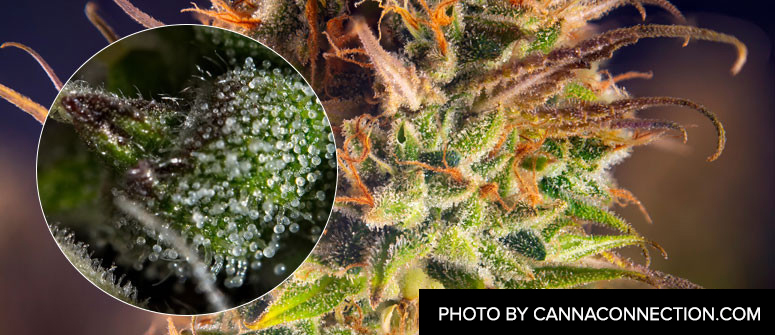
CBD is a phytocannabinoid found in various concentrations through most parts of the hemp plant, but the highest levels are found in the flowers and trichomes. Phytocannabinoids accumulate in the sticky cavity of trichomes, which are small hairs that largely occur in female flowers and can be found in lower concentrations in other aerial parts of the plant.[2]
Benefits of CBD
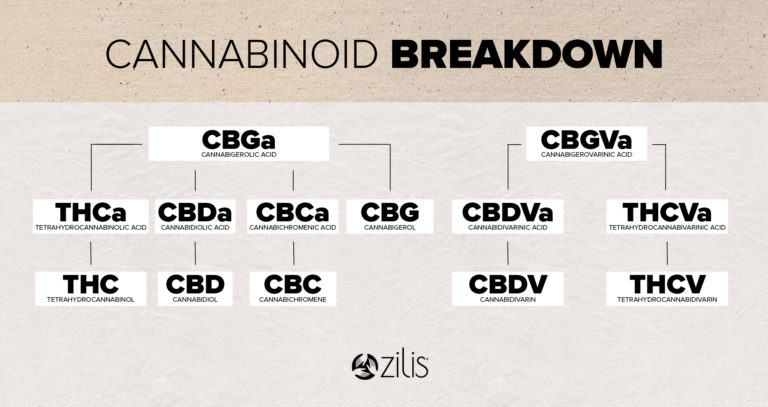
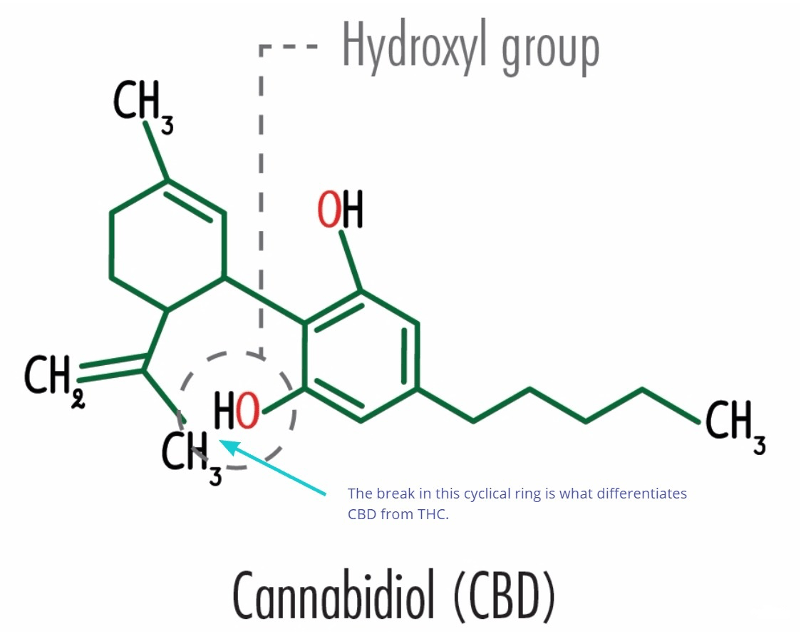
In our last post titledย The Benefits of Cannabinoids, we learned that CBD does not just start as CBD. It is created through a series of chemical conversions which occur in nature mostly through changes in temperature and time.ย This begins when Cannabigerolic acid (CBGa), the mother of cannabinoids, is broken down into its non-acidic form Cannabigerol (CBG), which then breaks down into Cannabidiolic acid (CBDa) and Tetrahydrocannabinolic acid (THCa). CBDa is then further broken down into CBD.
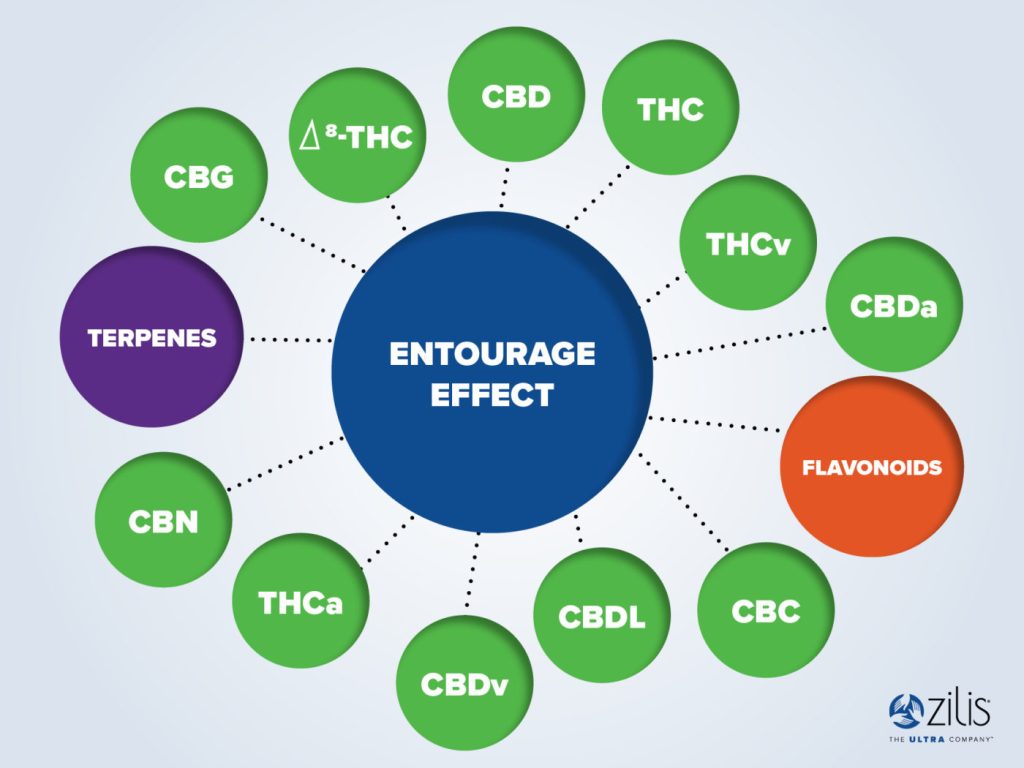
Interestingly it is estimated that by 2025 CBD will be close to a $25 billion-dollar industry.[3]ย Clearly CBD has gained some incredible popularity with consumers, but we are also seeing an increase in research and clinical studies of the compound and are starting to discover new and exciting benefits. There is increasing evidence that CBD has numerous therapeutic potentials and is essential to supporting inner balance and the overall health and wellness of many of our bodyโ€™s systems. If you read our previous posts on the ECS, you know that CBD binds to the network of receptors throughout the body that make up the ECS and play an important part in regulating pain perception, balanced emotions, and other autonomic functions. Several studies demonstrate the reduction of pain perception following intake of CBD,[4]ย and when combined with other phytocannabinoids, it can cause an even greater reduction in pain perception. This research also supports the importance of the entourage effect to benefit health, using the synergistic effects of all the compounds found in hemp versus using isolated compounds.
What is not commonly known about CBD and its potential benefits is that, in 1999, the U.S. Government, under the Department of Health and Human Services, filed a patent on non-psychoactive cannabinoids, including CBD, as a treatment for specific illnesses. The U.S. Government was awarded that patent in 2003; โ€œCannabinoids as antioxidants and neuroprotectants, Unites States Patent 6,630,507โ€. Click here to see the full patent.

As popularity has grown over this compound both medical and regulatory agencies have begun to weigh-in with their opinions about the benefits and safety profiles of CBD. For example, the World Health Organization (WHO) published their Cannabidiol (CBD) Critical Review Report[5] where the WHO discussed the available research in regard to medical and recreational uses, safety profiles, and outcomes following CBD usage. Following this report, the WHO recommended that pure CBD and CBD preparations containing no more than 0.2% THC should no longer be included in the international drug control conventions, after noting in their report that CBD had been found to be โ€œgenerally well tolerated with a good safety profileโ€.

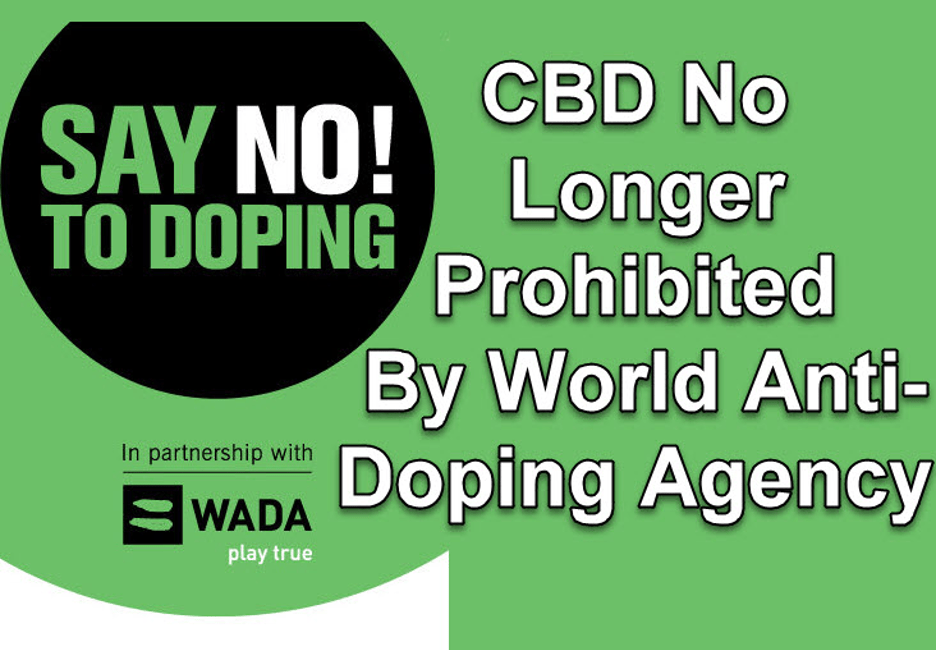
Interestingly, in addition to the WHOโ€™s recommendation to remove CBD from international drug control conventions, the World Anti-Doping Agency (WADA), an international organization that โ€œwas founded with the aim of bringing consistency to anti-doping policies and regulations within sport organizations and governments right across the worldโ€[6], removed CBD from their list of prohibited substances. However, it is important to note that although CBD is no longer prohibited, athletes should be aware that many CBD products contain low levels of THC, which is still a prohibited substance under WADA.
Product Formulation of CBD
For the majority of CBD supplements on the market it appears the products are mostly sold in three different overarching forms, or categoriesโ€”full spectrum extract, broad spectrum extract, and isolate, but what is the difference?
The following definitions of these products have come from the U.S. Hemp Authority Glossary, developed to promote standardized labeling for the hemp industry.
  • Full Spectrum Extract โ€œis hemp extract including THC and other cannabinoids, terpenes, and other naturally occurring compounds, that has been processed without intentional complete removal of any compounds and has a final THC quantification of not greater than 0.3%.โ€
  • Broad Spectrum Extract โ€œis hemp extract that has been intentionally processed to remove THC such that the quantified THC has been deemed non-detectable by a compliant laboratory using a fit-for-purpose method with a limit of quantification of less than 0.01%.โ€
  • Isolate โ€œis the confined molecule and most pure form of the cannabinoid such as CBD.โ€

Ultimately, the difference between a full spectrum, broad spectrum, and isolate products seems to come down to efficacy; the degree of product processing; and number of compounds in the final product. The most important thing you can do as a consumer is to first research the different forms and then choose a product to best fit your needs and desired outcomes.

Because each form of CBD is specific to a consumerโ€™s need, the conversation around full spectrum versus broad spectrum versus isolate CBD is a much bigger one. We will go into more detail about the specific differences about each of these forms of CBD and how they contribute to the entourage effect in a future post.


[1] Bialer, M. (2019) Raphael Mechoulam adn the history of cannabis research. Epigraph. Vol 21 (1) https://www.ilae.org/journals/epigraph/epigraph-vol-21-issue-1-winter-2019/raphael-mechoulam-and-the-history-of-cannabis-research
[2] Andre, C. M., Hausman, J. F., & Guerriero, G. (2016). Cannabis sativa: The Plant of the Thousand and One Molecules. Frontiers in plant science, 7, 19. https://doi.org/10.3389/fpls.2016.00019
[3] 2019 CBD Market Report (Rep.). (2019). Retrieved June 26, 2020, from Brightfield Group website: https://content.brightfieldgroup.com/2019-us-cbd-market
[4] Cannabidiol (CBD): Critical Review Report (Rep.). (2018, June 4). Retrieved June 26, 2020, from World Health Organization website: https://www.who.int/medicines/access/controlled-substances/CannabidiolCriticalReview.pdf
[5] What We Do. (2017, December 01). Retrieved June 26, 2020, from https://www.wada-ama.org/en/what-we-do
[6] 2019 CBD Market Report (Rep.). (2019). Retrieved June 26, 2020, from Brightfield Group website: https://content.brightfieldgroup.com/2019-us-cbd-market
Understanding Sleep and the ECS

Our post today is brought to you by one of our very own Zilis Ambassadors, Dr. Steven Todd. Dr. Todd is a retired board-certified Oral Implantologist and Dental Anesthesiologist, who served as Adjunct Professor at the Ohio State University School of Dentistry. From 1982-85, he was the 3rdย Infantry Division, 3rdย Medical Battalion U.S. Army Field Dental Surgeon. Dr. Todd holds a masterโ€™s degree in Regenerative Medicine with an emphasis on health & wellness. His private practice focuses on sleeping disorders and dental sleep medicine.

Zilis Ambassadors, Dr. Steven Todd

As we begin our journey into sleep and the ECS, letโ€™s start with the basic understanding of the ECS. The ECS has a fundamental job of maintaining balance in many biological processes including appetite, metabolism, and regulation of sleep-wake cycles.1ย The ECS may also play a significant role in how we dream,2ย influencing what we dream about and how emotionally intense our dreams are. The ECS may also indirectly influence sleep through its work balancing mood, stress, or immunity. So, what can you do if you canโ€™t sleep?ย  Balance your ECS with CBD!

Sleep 101

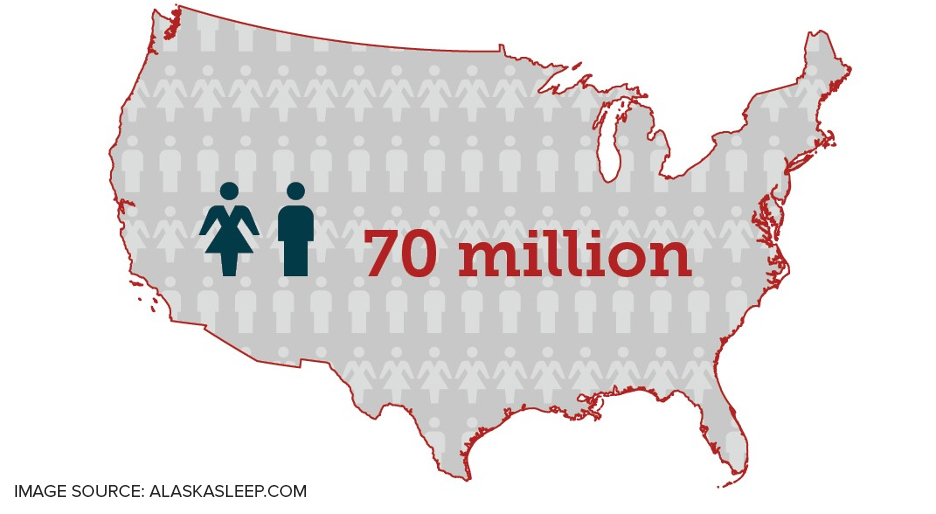
Letโ€™s review a few basics of sleep first.ย Whileย you sleep, your body restores the energy expended during the day.ย Whenย you sleep is generally maintained by your circadianย (sir-cade-ian)ย rhythm. ย This natural, internal process is what helps regulate your awake and sleep cycles and repeats every 24 hours.ย  It is representative of what a balanced system looks like. ย We also know that sleep is the number one missing ingredient for a healthier life. It affects every area of our lives and is as important as breathing, eating, and drinking water. You can go about four days without water, 25 days without food, 8-10ย minutes without air, and 6-7 days without sleeping. Sleep is necessary to regenerate your mind and body. Getting the right amount of sleep will give you more energy and vitality, may keep you from gaining weight, and may help you lose weight. In theย Journal of Science, women reported that a restful sleep was more important than a household income and marital status. Sleep helps the unconscious mind reprogram through complex decisions, and without sleep, cognitive ability is reduced. It affects every organ system and every disease state. Sleep is real healing โ€“ emotional, physical and spiritual. Even though sleep has direct impact on our sense of well-being, there is a real problem: 70 million Americans report they have sleeping problems.3

About 70 million Americans suffer from a sleep problem. Our nationโ€™s sleep problem is so widespread that the CDC has called insufficient sleep a โ€œpublic health epidemic.โ€

What role does cannabis play?

The topic of sleep is a big one that covers far too much information for a single article. Today, weโ€™ll focus on how hemp-derived cannabis interacts with the body in the realm of sleep.* We know by now that humans have used cannabis in many ways for thousands of years. Scientist have been studying the active compounds in cannabis and have found therapeutic properties to assist with sleep issues. Going to sleep at night and being awake during the day are the natural cycles of our circadian rhythm. When that cycle is disrupted, for whatever reasonโ€”shift work, trauma, travel, health issuesโ€”you start to suffer.ย Using hemp-derived CBD products to help improve sleep alsoย  recalibrates our circadian rhythm and returns our ECS to balance for optimal health and wellness.*

How does CBD affect the cycles and stages of sleep?

There is not a simple answer to that question, but two factors that affect the stages (REM and Non-REM sleep) and the cycle of sleep (circadian rhythm) is 1) the quality of the product and 2) type of cannabis, or chemovar, of your CBD. There is scientific research that broadly addresses how cannabis affects sleep stages and sleep cycles.4 Bringing the ECS into balance with CBD, along with getting plenty of natural light, eating earlier, and making more time for sleep, allows your sleep stages and rhythms to enter a balanced state, providing better sleep.*  Using CBD allows the ECS to move away from overuse of endocannabinoids which swings the ECS out of balance in the opposite direction.5 There is also research that addresses the major hemp compounds found in cannabis and how they influence sleep. Several cannabinoids (not just CBD) and botanicals, like lavender or valerian root, have a direct role in improving sleep. Both CBD and CBG have been shown to assist with sleeping problems,6* and CBD has also been shown to promote relaxation.* If you remember the Benefits of CBD post, youโ€™ll know that there has been an abundance of research over the last five decades that supports the therapeutic benefits of CBD to reduce daytime sleepiness and promote alertness.7*

CBG is a newly researched and lesser known cannabinoid. A new area of interest surrounds CBG and its relationship with sleeplessness, stress related disorders, situational stress, and a host of other sleep challenges. CBG is a direct agonist (promoter) of CB2 receptors, which means it really likes binding with CB2 receptors. One amazing find is that CBG interacts with the serotonin receptors of the gut-brain axis. This is important because research has demonstrated the importance of the gut-brain connection for good quality sleep.8

Why do I wake up different hours of the night? Will CBD help?

There are many reasons why people donโ€™t sleep through the night. Some of which are:

  • a racing mind;
  • muscular or skeletal discomfort;
  • feeling emotionally unwell;
  • poor eating habits;
  • poor sleep habits;
  • breathing issues, and
  • aging.

Sleep issues are different for everyone. And, because everyone is unique, the 6 hours of sleep one person gets may not be enough for a person who requires 8 hours of restful sleep. We know that CBD can help balance the ECS which can positively impact our sleep, another factor can also help promote restful sleepโ€”vitamins!*

Nowadays, we know people do not have enough of the staple vitamins and minerals to promote healthy sleep. Incorporating vitamins and minerals into our diets can work synergistically with our CBD and ECS to enhance sleep. One of the primary markers in determining sleep health is the level of vitamin D3 (which is actually a parahormone). Vitamin D3 and associated B complex vitamins have a profound effect on sleep quality. As D3 levels are adjusted between 60-80ng/ml, sleep gets better. Research from the National Health and Nutrition Examination Survey (NHANES), compared people getting more than 7 hours of sleep per night with people getting less than 7 hours sleep per night. People with fewer than 7 hours of sleep per night, on average, consumed lower amounts of vitamins A, D3, and B complex vitamins, as well as magnesium, niacin, calcium, zinc, and phosphorus.

In summary, the ECS and overall health and wellness are tightly controlled by sleep. Sleep is our bodyโ€™s way to repair itself for the next day. These key repair mechanisms have a complex array of neurotransmitters, hormones and healing factors to facilitate a healthy nightโ€™s sleep. None of this happens unless the fundamental vitamins and minerals are in place. It is no surprise in todayโ€™s intense society that people have challenges with sleeping well. There are still many unknowns, but we do know the ECS and sleep are complex intricate orchestrations of the human body to heal, repair, and regenerate itself on a daily basis.

*These statements have not been evaluated by the Food and Drug Administration. These products are not intended to diagnose, treat, cure, prevent or mitigate any disease or medical conditions.

Stay tuned for our next post from guest writer and Zilis Ambassador Maddie Andry about why glutathione is important and how it can support your overall health.


[1] Tringale, R., & Jenson, C. (2014). Cannabis and Insomnia. Oโ€™Shaughnessyโ€™s Society of Cannabis Clinicians, August 31-32. Retrieved August 4, 2020, from https://www.semena-marihuany.cz/img/5E9EC245-448E-17B2-C7CA-21C6BDC6852D.pdf

[2] Murillo-Rodriguez E, Pastrana-Trejo JC, Salas-Crisรณstomo M, de-la-Cruz M. The Endocannabinoid System Modulating Levels of Consciousness, Emotions and Likely Dream Contents. CNS Neurol Disord Drug Targets. 2017;16(4):370-379. doi:10.2174/1871527316666170223161908

[3] Smith, S., & Paris, M. (2018, November 13). Sleeping Well in The Age of Stress: Part 2 [Web log post]. Retrieved August 13, 2020, from https://www.alaskasleep.com/blog/sleeping-well-in-the-age-of-stress-0

[4] Pava, M. J., Makriyannis, A., & Lovinger, D. M. (2016). Endocannabinoid Signaling Regulates Sleep Stability. PloS one, 11(3), e0152473. https://doi.org/10.1371/journal.pone.0152473

[5] Hanlon EC, Tasali E, Leproult R, Stuhr KL, Doncheck E, de Wit H, Hillard CJ, Van Cauter E. Sleep Restriction Enhances the Daily Rhythm of Circulating Levels of Endocannabinoid 2-Arachidonoylglycerol. Sleep. 2016 Mar 1;39(3):653-64.

[6] Russon, EB.(2008) Cannabinoids in the management of difficult to treat pain. Therapuetics and Clinical Risk Management, 4(1):245-259. Retrieved from: https://www.ncbi.nlm.nih.gov/pmc/articles/PMC2503660

[7] Murillo-Rodriguez,E et al. (2014). Potential effects of cannabidiol as a wake-promoting agent. Current Neuropharmacology, 12 (3):269-272(4). Retrieved from: http://www.ingentaconnect.com/content/ben/cn/2014/00000012/00000003/art00006

[8] Sharkey, K. A., & Wiley, J. W. (2016). The Role of the Endocannabinoid System in the Brain-Gut Axis. Gastroenterology, 151(2), 252โ€“266. https://doi.org/10.1053/j.gastro.2016.04.015

ยฟQuรฉ es el Aceite de CBD?

El aceite de cannabidiol ha ganado mucha atenciรณn en los รบltimos aรฑos, pero ยฟquรฉ es el aceite de CBD y quรฉ puede hacer por usted? Tal vez alguien le haya dicho que el aceite de CBD ayudarรญa con una dolencia o condiciรณn que estรก enfrentando, o posiblemente simplemente desee tomar la sustancia para el bienestar general. Cualquiera que sea su propรณsito, es aconsejable buscar informaciรณn antes de probar algo nuevo. Responderemos sus preguntas principales, tales como: ยฟpara quรฉ se usa el aceite de CBD y para quรฉ sirve ?

ยฟQuรฉ es la tintura de aceite de CBD?

El CBD es un compuesto quรญmico que se produce a partir del cannabis. El aceite de CBD se refiere al extracto, que contiene niveles mรกs altos de la sustancia. El CBD no solo no es intoxicante, sino que se le ha asociado con varios beneficios. 

Sin embargo, los productos de CBD vienen en una variedad de formas, incluida la tintura de aceite de CBD. ยฟQuรฉ es una tintura de aceite de CBD ? Veamos la composiciรณn de este producto, entre otros.

Tinturas de CBD

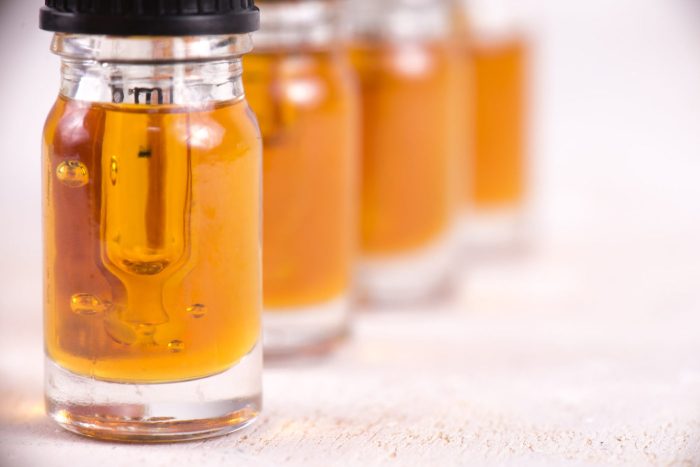
Los extractos lรญquidos de CBD se aplican directamente debajo de la lengua. El CBD se absorbe rรกpidamente en el torrente sanguรญneo. La mayorรญa de las tinturas vienen en una botella de vidrio y cuentan con un gotero dosificador.

Aceite de CBD para vape

Los cartuchos de aceite de CBD precargados se utilizan con los cigarrillos electrรณnicos para administrar una dosis.

Cรกpsulas de CBD

Estas cรกpsulas estรกn llenas de aceite de CBD. Los ingieres como lo harรญas con un suplemento tradicional. Los encontrarรก empaquetados como vitaminas. 

ยฟCuรกles son los efectos y beneficios del aceite de CBD?

Muchas personas que buscan tomar aceite de CBD se preocupan de que promueva una sensaciรณn de “euforia”, pero ese no es el caso. De hecho, el CBD es un compuesto no intoxicante. Para venderse en los Estados Unidos, los productos de CBD deben contener menos del 0,3% de THC, que es el compuesto que produce los efectos eufรณricos. 

Sin embargo, el CBD aรบn podrรญa detectarse en su cuerpo. Dependiendo de la dosis que tome, cรณmo lo consuma, la biologรญa de su cuerpo y el producto que elija, debe notar algunos efectos. Algunas personas han informado de relajaciรณn fรญsica, efectos ligeramente sedantes o alivio del estrรฉs. Sin embargo, la ingesta de aceite de CBD nunca deberรญa producir resultados que causen deterioro.

En su mayor parte, el CBD parece considerarse seguro y bien tolerado por la mayorรญa de los usuarios. Al igual que con cualquier suplemento, siempre existe la posibilidad de una reacciรณn adversa, asรญ como una posible interacciรณn con los medicamentos. Es por eso que siempre es mejor consultar a un mรฉdico antes de agregar cualquier suplemento nuevo a su rรฉgimen. 

ยฟPara quรฉ se utiliza el aceite de CBD?

Lamentablemente, no hay muchos estudios a los que podamos hacer referencia en este momento. La Escuela de Medicina de Harvard ha realizado mรกs investigaciones sobre el CBD y ha descubierto que podrรญa ser beneficioso para algunas personas que padecen dolencias o afecciones. 

En este momento, solo se recomienda como complemento para el bienestar general. 

ยฟPara quรฉ sirve el aceite de CBD?

Algunos de los principales beneficios del aceite de CBD, segรบn lo informado por otros usuarios, incluyen estas posibilidades.

  • Ayuda a respaldar las funciones de las articulaciones y los cartรญlagos
  • Ayuda a aliviar los dolores o molestias musculares despuรฉs del ejercicio.
  • Ayuda a promover un sueรฑo mรกs reparador.
  • Ayuda a reducir la frustraciรณn y el estrรฉs.

Para muchas personas, encontrar una soluciรณn natural a los problemas cotidianos es la mejor opciรณn, que es lo que hace que mรกs personas investiguen los beneficios del CBD. Hasta que recibamos mรกs evidencia de para quรฉ se puede usar el CBD, solo se puede recomendar como un suplemento de bienestar.

ยฟEs legal el aceite de CBD?

Para comprender las batallas legales en torno al CBD, primero debe mirar la historia. El primer relato de alguien que consumรญa cannabis para tratar problemas de salud fue en 2727 a. C. cuando el emperador Sheng Neng tomรณ un tรฉ especialmente formulado. 

Desde entonces, solo ha ganado popularidad. Sin embargo, hasta hace poco, tanto el THC como el CBD estaban relacionados con el consumo de cannabis. No fue hasta la dรฉcada de 1940 cuando el CBD se separรณ del THC y cannabinoides adicionales. 

Entonces, comenzรณ la Guerra contra las Drogas. Las agencias federales de control de drogas comenzaron a aumentar rรกpidamente, junto con las leyes que rodean el uso. A pesar de la recomendaciรณn de Nixon de despenalizar el uso personal de marihuana, estos esfuerzos fueron rechazados. 

Sin embargo, el CBD, cuando se obtiene de la planta de cรกรฑamo, contiene menos del 0,3% de THC, por lo que se excluye de la definiciรณn de marihuana. Este tecnicismo cambia todo cuando se trata de leyes locales y federales.

El Farm Bill establece que el aceite de CBD que contiene menos del 0.3% de THC y que se cosecha de plantas industriales de cรกรฑamo es completamente legal a nivel federal. Sin embargo, los estados individuales pueden crear sus propias leyes. En consecuencia, desea investigar las leyes estatales de cรกรฑamo para su รกrea antes de comprar. 

Encontrar el mejor aceite de CBD

El CBD no estรก regulado, por lo que debe realizar la debida diligencia para encontrar el producto adecuado para sus necesidades. Aquรญ hay algunos consejos de compra de CBD para considerar.

Cultivado en el paรญs

La fuente del cรกรฑamo utilizado para el aceite de CBD es importante. La mayor parte del cรกรฑamo que se vende en los Estados Unidos proviene de Oregรณn o Colorado. De todas las opciones, Colorado tiene un programa agrรญcola que realiza pruebas puntuales regulares en las plantas mientras todavรญa estรกn en el campo. 

Elegir comprar un producto de cรกรฑamo fabricado en el extranjero puede causar problemas. Estas sustancias no estรกn sujetas a pruebas federales o estatales, lo que lo pone en riesgo. 

Tipo de aceite de CBD

Tiene varios tipos diferentes de aceite de CBD en el mercado para elegir. Comprender las diferencias puede ayudarlo a determinar quรฉ es lo mejor para sus necesidades. 

El aceite de CBD de espectro completo tiene una variedad de compuestos que provienen de la planta. Esto podrรญa incluir CBD, THC y otros cannabinoides. El aceite de CBD de amplio espectro tambiรฉn tiene una variedad de compuestos, pero sin el THC. La otra opciรณn es el aislado de CBD, que solo contiene CBD. 

Para la mayorรญa de las personas, el CBD de espectro completo parece proporcionar los mejores resultados. Tiene una variedad de ingredientes que trabajan juntos para producir los efectos que buscan muchos clientes. Sin embargo, puede que no sea la mejor opciรณn para aquellos que necesitan someterse a pruebas de detecciรณn de drogas, ya que contiene una pequeรฑa cantidad de THC. 

Pruebas de terceros

Lo รบltimo que debe tener en cuenta es cualquier prueba de terceros realizada para la empresa. Si un fabricante no estรก dispuesto a compartir informaciรณn de pruebas de terceros con usted, es posible que tenga algo que ocultar. Este anรกlisis crรญtico asegura que estรก obteniendo lo que pagรณ y en las cantidades adecuadas.

Recuerde, estรก poniendo algo en su cuerpo.ย Por esa razรณn, recomendamos tener aceite de CBD soluble en agua de la mรกs alta calidad posible.ย Sรญ, la inversiรณn es mรกs que otras marcas.ย ยฟPor quรฉ?ย Mejor quรญmica, mรกs potencia, mรกs para tu dinero, mejor para tu cuerpo.ย Recomendamos probarย Zilis Ultra Cell Topicalย .ย Esta crema calmante tiene la dosis perfecta y potente de extracto de CBD que su cuerpo necesita para recuperarse.

CBD VS CBG

In the past few years, products containing CBD (cannabidiol) have taken over the market. Not only does this substance boast of anti-inflammatory properties, but it is also known for its antioxidant effect. As a result, itโ€™s become a trendy and beneficial ingredient in many wellness products. But now, people are starting to take notice of CBG as well. The new spotlight is causing consumers to wonder what are the differences between CBG vs CBD? We will look at both independently and compare them side-by-side to give you the answers you need.

What is CBG?

CBG is one of over 100 cannabinoids found in the cannabis plant. These cannabinoids contain active chemical compounds that cause reactions in our cells. Cannabigerol (CBG) can be found in both marijuana and hemp plants. However, the concentration is relatively small, with less than one percent in marijuana and two percent in hemp.

While CBG might sound new to you, it was actually discovered in 1964 by two Israeli scientists. It wasnโ€™t that long ago that some Japanese researchers figured out that CBG actually starts as CBGA (cannabigerolic acid) and is synthesized by heat or over time.

This non-intoxicating cannabinoid doesnโ€™t cause the same euphoric effects that THC does. It might even help to suppress the THC intoxication that creates the notorious โ€œhighโ€ feeling. 

Because it is difficult to harvest CBG, cannabis breeders have begun experimenting with plant cross-breeding and genetic manipulation to create higher yields. Itโ€™s also been discovered that higher levels of CBG are found when the budding plants are six weeks into the flowering cycle. 

We recommend dosing with water soluble CBG only as the absorption rates are around 94% greater than oil based products. Very few companies know how to formulate this process correctly. We recommend trying Zilisย Ultra CBGย Oil over other brands. By using a water soluble product, youโ€™ll lower your daily dosing needs and maximize your monthly investment. Although their product is a bit higher in price, in the long run, itโ€™s significantly less than others due to this key feature.

What is CBD?

As you evaluate the differences between CBD vs CBG, you want to look at what the more popular substance has to offer. CBD (cannabidiol) is another chemical compound that comes from the Cannabis sativa plant. It is a naturally occurring substance that can be found in wellness oils and edibles. While people use CBD products to create a calming effect and relaxation, it is not the same thing as THC. Instead, delta-9-tetrahydrocannabinol is found in marijuana and is psychoactive.

While there are very few studies regarding the effectiveness of CBD products, many people claim that it has helped them relive several health conditions. It could be related to the anti-inflammatory properties or the antioxidant effect, but more research is needed to know for sure.

For CBD, we go back to the focus on water solubility. Itโ€™s very hard to find super high grade full spectrum CBD and also have it come in a water soluble formula. Absorption rates are everything in this space. Learn more aboutย Zilis Ultra Cellย Topical formula today.

CBD vs. CBG: What are the Differences?

So, what is CBG vs CBD and what differences do you need to know about? CBG actually helps to create CBD. In fact, both of these substances are considered cannabinoids, but they are different compounds from the cannabis plant. They also tend to serve different purposes and target different ailments, although there tends to be a lot of overlap between the two. 

While there are some differences between CBD and CBG, there are also many similarities. Both of these substances are considered non-psychotropic. This term means that you wonโ€™t receive an altered state of mind from using it. You can use either CBD or CBG every day and your functions wonโ€™t be limited. Plus, there is no reduction in your mental clarity as a result of taking these products. The only benefit that has been shown to occur to the state of mind is in a positive effect, especially when it comes to relaxation and calming. 

CBD and CBG are nothing like THC, which can have intoxicating effects on the body. In fact, both CBG and CBD are shown to counteract THCโ€™s intoxicating properties. However, most people consuming marijuana donโ€™t deal with these counter-active effects because there are very limited amounts of CBG found in cannabis. 

In addition, CBG might increase the appetite, which is opposite what most people notice with CBD. In fact, CBD has been promoted as a substance that could inhibit appetites and lead to some weight loss. 

While looking at these differences, you have to carefully select which one is going to work best for you.

CBG Oil vs CBD Oil: Which One Do You Want?

Now that weโ€™ve discussed the differences between the two, itโ€™s time to decide whether you want CBG oil vs CBD oil. CBD oil has become more recognized around the world as a popular supplement, but that shouldnโ€™t discount the benefits of CBG oil. CBG might not be heard of as much, but it is considered to be the first cannabinoid compound. Essentially, it makes up CBD

CBG is currently being studied, but many people find that it can promote well-being. It has already shown some anti-inflammatory, antibacterial and antioxidant properties. Initial reports suggest that both CBD and CBG can:

  • Help support cartilage and joint functions
  • Help relieve muscle pain following exercise
  • Help promote healthy sleep patterns
  • Help reduce frustration and stress

Itโ€™s best to try both products to determine which one suits your needs the best. Without more research, itโ€™s difficult to determine which one will respond better to your particular need. In fact, some customers have suggested that using both oils is the best way to promote overall well-being. 

Is CBG or CBD Oil Legal?

When Congress passed the Marijuana Tax Act in 1937, industrial hemp was legal. It wasnโ€™t until the 2014 Farm Bill passed that states were allowed to regulate the production of hemp and CBD. Even more recently, President Trump enacted a new Farm Bill that makes it federally legal to grow hemp. This means that as long as you are compliant with your state laws, you can grow and use hemp products. 

While state policies vary greatly, itโ€™s important to do your research before using any hemp products. We suggest looking into your hemp state laws first. 

Where to Find CBG Oil

While itโ€™s a good thing that CBD and CBG oils are growing in popularity, it also means you have to watch out for scam artists. When you are shopping for these products, there are some ways to ensure you get the best quality available. Here are a few things to consider while shopping.

Label Representation

Take a good look at the label. The label might look nice and pretty, but does it have the valuable information you need? Reputable companies attach an FDA disclaimer and warning section to all dietary supplements. 

You also want to check the label for any identifying information. Just as your groceries and other wellness products contain identification in case of a recall, there should be something on the label of your CBD or CBG products that mark the batch. Good manufacturing practices are followed when the company can tell what batch you received. If the company should need to communicate with users in the future, they will know who to contact. 

Third-Party Lab Testing

Any CBD or CBG product you consume should undergo third-party testing to confirm the accuracy of the label. Otherwise, you could be paying for a product that doesnโ€™t contain what it claims. In 2017, the Journal of the American Medical Association found that 26% of CBD products tested had lower doses than stated on the bottle. 

You want to see a quality assurance stamp or some type of certificate from the third party to ensure accuracy. It also helps if you can see the test results. If a company isnโ€™t willing to share this information with you, they might have something to hide. 

Added Ingredients

In conjunction with the testing, you want to make sure you know everything that is inside your formula. After all, this product is going into your body, so it doesnโ€™t make sense to ingest things you donโ€™t have knowledge about. Some companies go as far as putting melatonin in their CBD products, which is fine if thatโ€™s what you want to pay for. By knowing whatโ€™s in a product, you can decide if it is the right way to spend your money.

Dosage

Your next step is to look at the dosing. Many products donโ€™t clearly instruct the consumer what the dosing is, leaving people confused. Start by examining whether the product is full-spectrum or an isolate. Full-spectrum formulas can contain other cannabinoids, which together create the entourage effect. In some cases, these are more effective than using one product alone. In comparison, isolate is considered to be 100% CBD. So, if a consumer is taking 10 mg of full-spectrum CBD and switches to isolate, they might find that they need a much higher dose, such as 100 mg instead. 

Fake Claims

If the product you are looking at claims to cure diseases and ailments, run the other way. You donโ€™t want to work with any company that claims to cure disease. Either this company is breaking valuable marketing rules or they simply donโ€™t care. Whatever the case is, you donโ€™t want to spend money with them. 

Other Customer Reviews

If you are trying out a new product, you want to research what other customers think. A reputable company should provide access to customer testimonials. You can also do a quick Google search on just about any company to make sure there arenโ€™t negative reviews plaguing them. By spending a little extra time performing due diligence, you make sure you get the CBD or CBG products you need.


Source: https://elitehealthproducts.org/cbg-vs-cbd/

Benefits of Cannabinoids

After such invaluable insight into the U.S. hemp regulations and the 2018 Farm Bill by our very own Joy Beckerman, we return to science in this weekโ€™s post. Letโ€™s take a look at some of the different cannabinoids that are found in Cannabis sativa L. and what benefits research on these cannabinoids has revealed.

Now that we are more familiar with the endocannabinoid system, letโ€™s focus on some of the compounds that activate this system and, as of late, have gained a lot of attentionโ€”cannabinoids. Becoming familiar with some of the more abundant cannabinoids found in the hemp plant, and the research that has been conducted to further analyze these compounds may help us better understand the effects cannabinoids can have on our systems.

As we have discussed in previous posts, phytocannabinoids are cannabinoids that have been produced in a plant. In this case we are discussing the hemp plant, which as defined by federal regulation cannot contain greater than 0.3% tetrahydrocannabinol (tetra-hydro-cannab-in-al), referred to as THC. THC is just one of over 100 phytocannabinoids1researchers have discovered within this plant.

โ€œMother of Cannabinoidsโ€

The highest percentage of phytocannabinoids are found in the unseeded flower buds of female plants.2

The most abundant of the phytocannabinoids begin as โ€œparentโ€ cannabinoids called Cannabigerolic (canna-bi-ger-o-lic) acid or CBGa, also known as the โ€œmother of cannabinoids,โ€ and Cannabigerovarinic acid or CBGVa. The formation of some of the most abundant cannabinoids occurs when CBGa is converted into:

  • Cannabigerol (canna-bi-ger-al), commonly called CBG;
  • Cannabidiolic (canna-bi-di-ah-lic) acidโ€”CBDa;
  • Tetrahydrocannabinolic (tetra-hydro-cannabin-alic) acidโ€”THCa; and
  • Cannabichromenic (cannabi-chrom-ee-nic) acidโ€”CBCa.

As further break down of these compounds occur other cannabinoids are revealed. In the image below, the parent cannabinoids CBGa and CBGVa, are converted to other compounds.

These chemical conversions typically occur in nature mostly through changes in temperature and time. In the laboratory or manufacturing facility however, these conversions can be achieved in an expedited fashion through a multitude of manufacturing processes such as time, temperature, and pressure. One common example of this processโ€”called decarboxylation (de-carboxil-ation)โ€”involves exposing the plant, or an extract from the plant, to high temperatures over an extended period of time. In a fresh hemp flower or a fresh extract, CBDa exists at a very high level, which can be converted to CBD through the process of decarboxylation, in order to produce products formulated with consistent levels of CBD.

Cannabinoid Benefits

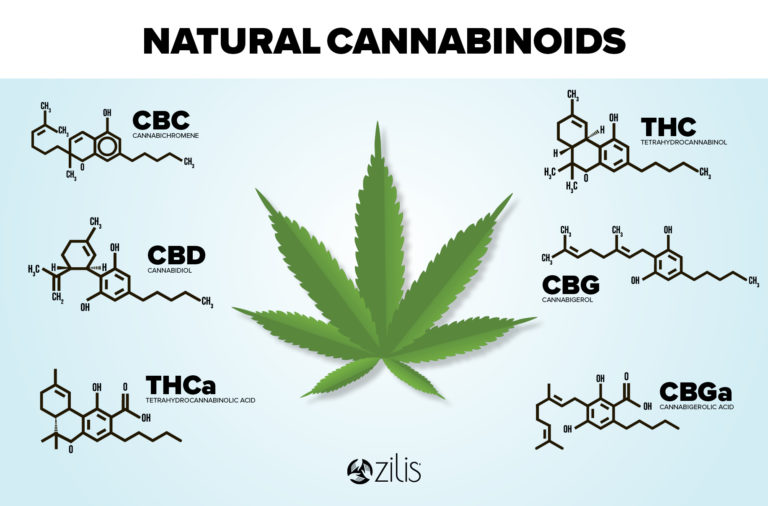
Although discussed less often than CBD, CBG is an important cannabinoid, and like CBD, has been shown to be non-psychotropic (mind-altering).3 In a recent study, CBG was shown to have some aseptic-like properties and activity, and appeared to support the destruction of โ€œdrug-resistant MRSA by destroying preformed biofilms and resistant organisms in cell culture and non-human studies.โ€4CBG has also been studied as a possible way to support healthy levels of inflammatory compounds and support normal bone growth and healing.5

The acidified compounds of THC and CBD, Tetrahydrocannabinolic acid (THCa) and Cannabidiolic acid (CBDa) are believed to have their own supporting attributes. Like CBG, both THCa and CBDa are non-psychotropic, as they do not produce intoxicating effects.  THCa has been researched as a possible way to support healthy cell function and healthy muscle function while CBDa and THCa also have been studied as a way to help support appropriate levels of inflammatory-compounds.6 Additionally, in one study, CBDa was correlated with increased serotonin receptor level activation, a receptor associated with the serotonin neurotransmitter, known for its participation in overall well being, emotional balance, and other autonomic system-related functions.7

THC, primarily recognized for its psychotropic effects, is used in both medicinal and adult-use forms across the world. The Food and Drug Administration (FDA) has approved three drugs, Marinolยฎ, Cesametยฎ, and Syndrosยฎ, as synthetic versions of THC for therapeutic uses in the United States. As of June 2020, in the U.S., there are over 10 states with adult use regulations and over 30 states with regulations regarding medical use of THC.

CBC, like CBD and CBG, is non-psychotropic, and interestingly,  is thought to work through non-cannabinoid receptors that can communicate with the endocannabinoid system (ECS) to help balance emotional fluctuations, support healthy bone growth and support healthy cell function.8 Although CBC is structurally similar to THC and CBD, it has been shown to affect the production of our endocannabinoids, leading to an increase in the level of Anandamide. CBC binding appears to take place on capsaicin receptors, called TRPV1, which are responsible for nociception, heat sensation, body temperature, and detection of harmful toxins we ingest or absorb from our external environment.9 CBC also binds to sensory receptors, called TRPA1, that stimulate our senses and protective responses10. Interestingly, studies of CBC use on the skin have shown its support of overall skin health and has shown its ability to maintain normal oil levels.11

Future Cannabinoid Potential

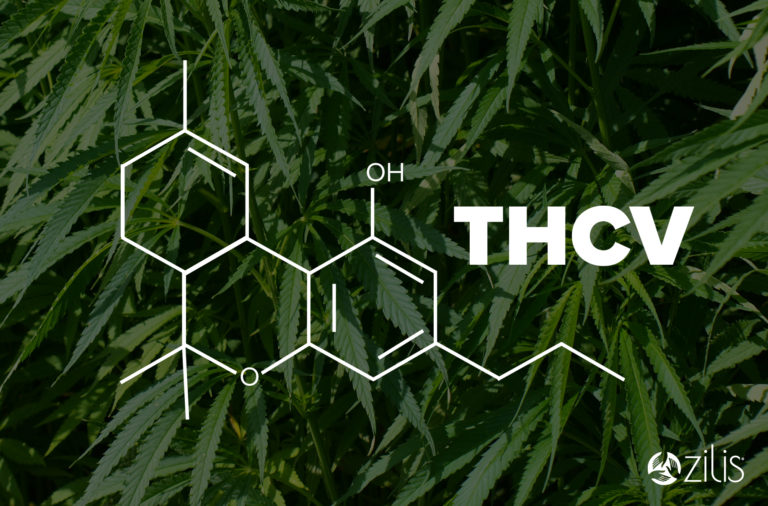
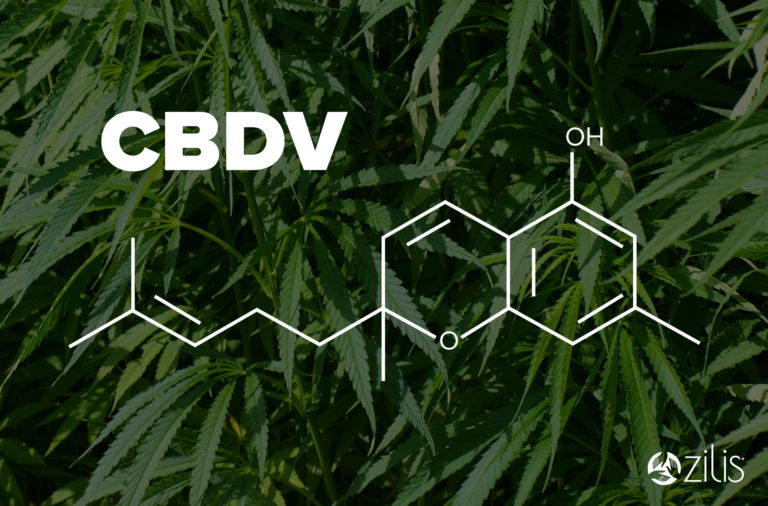
As the science evolves over time, and the variations in the hemp plant continue to change through breeding techniques and genetic research, we will see the potential of many more cannabinoids like Tetrahydryocannabivarin (THCV) and Cannabidivarin (CBDV), which have already begun to show therapeutic potential across multiple body systems. Studies have demonstrated the potential of THCV to support emotional balance, support healthy appetite level and also supports healthy bone growth as studies revealed it binds with both CB1 and CB2 receptors throughout our ECS. 12 Likewise, CBDV has shown promise in supporting healthy brain development and healthy cellular function by binding with the non-cannabinoid receptor, TRPV1,13 previously mentioned as a binding site for CBC. In addition, a few companies have started looking into cultivation of pharma grade, algae-based cannabinoids for medical therapies. With the potentially massive grow ability, algae-based cannabinoids could eliminate the need for synthetic cannabinoids.14 As many believe the 2018 Farm Bill was passed to create a new stream of income for U.S. farmers, synthetic cannabis and non-hemp derived cannabinoids may become obsolete (i.e. under the guidelines of the U.S. Hemp Authority Certification, synthetic cannabinoids and non-hemp derived cannabinoids are not allowed). We will discuss the ins and outs of the U.S. Hemp Authority in a future post.

For the continued benefit to our bodies and in order to support inner balance, it is important for us to learn more about cannabinoids and to support the research being conducted on these compounds. Although this post discussed the benefits of major cannabinoids in the hemp plant, we did not discuss the most popular oneโ€”CBD.  Never fear! We didnโ€™t forget it. This cannabinoid is so important, it deserves its own post. In our next post we will take an in-depth look at CBD and the benefits that have been uncovered by past and current research.

Hemp vs Marijuana

https://blog.zilis.com/hemp-vs-marijuana/

Whatโ€™s the Difference?

Right now, and for the past year at least, there has been so much written, tweeted, and publicly discussed about CBD, THC, hemp and marijuana. So much so that even the basic information can now seem confusing. Here at Zilis, we get a lot of questions about our products. For instance, โ€œwill it get me high?โ€, โ€œwill I be arrested if I have this in my car?โ€, and  โ€œwhatโ€™s the difference between hemp and marijuana?โ€ are very common questions we receive daily.  To help walk everyone through the tough questions and harder topics, we started a blog, and as all things have a beginning, we decided our blog should start by discussing the plant that our hemp products are made from. Both hemp and marijuana come from the Cannabis sativa plant.  So, if it all comes from the same source, whatโ€™s the difference?

Is it hemp? Is it marijuana?

The most important fact to understand about hemp and marijuana is that the only real difference comes down to the tetrahydrocannabinol, or THC, level in the plant. THC is a known compound that leads to the psychotropic, or โ€œhighโ€ feeling reported after marijuana use. Hemp is purposely bred to be low in THC while marijuana is purposely bred to be high in THC. In the U.S., hemp is defined by Federal Law as a cannabis plant containing no greater than 0.3% THC and marijuana is defined has having more than 0.3% THC.  Clear as mud, right?  It just means that farmers who grow a hemp variety of cannabis must ensure that the plant they harvest has a THC percentage that is no greater than 0.3%.  If the THC in the harvested plant material tests higher than 0.3%, it violates the Hemp Farming Act regulations found in the 2018 Agricultural Improvement Act and may have to be destroyed as dictated by state or federal authorities. These regulations assure that the hemp we buy to produce our UltraCellยฎ Berry, Lemon, Raw, Topical, Pet, and CBG products has been tested and legally grown.

Did you know that Hemp is a multipurpose crop?

Products & Food

As mentioned above the main differentiating factor of hemp is that it cannot have a THC content greater than 0.3%. How hemp is used also sets it apart from marijuana. Historically, hemp was known as a key raw material for textiles, including clothing, rope/shipsโ€™ rigging, paper, and packing materials; car parts; parachute webbing; and baggage.

Hemp has also been used as a food source throughout history because it contains an abundance of nutrients like amino acids and essential fatty acids. Both amino acids and essential fatty acids are important for the body to repair itself. The seeds from hemp contain protein and are also rich in minerals, including zinc, calcium, iron, sodium, magnesium, potassium, phosphorus, and vitamin E[1]. Interestingly, about 25% of calories in hemp seeds come from protein, which is relatively high. In fact, by weight, hemp seeds provide similar amounts of protein as beef and lamb, yet represents a healthier, plant-based source of protein, and contains other nutritional benefits, like Omega-3, Omega-6, and fiber. Hemp and hempseed may also benefit those countries in need of supplemental nutrition or act as a solution for inadequate nutrition due to its sustainability and the ease by which it can be grown.

Hemp Today

Many countries around the world have grown hemp for millennia. More recently, new products like hemp plastics and hempcrete (used for home construction) have been developed. These products are environmentally friendly and can be made to support a more sustainable type of material.

Weโ€™ve also taken advantage of its therapeutic uses and cultivated hemp for its cannabinoids and terpenes.  Therapeutic research into the interaction of hemp with the Endocannabinoid System (ECS)* has expanded over the last few decades and this, along with its historical significance, makes hemp a valuable resource.

Hemp vs. Marijuana: Growing

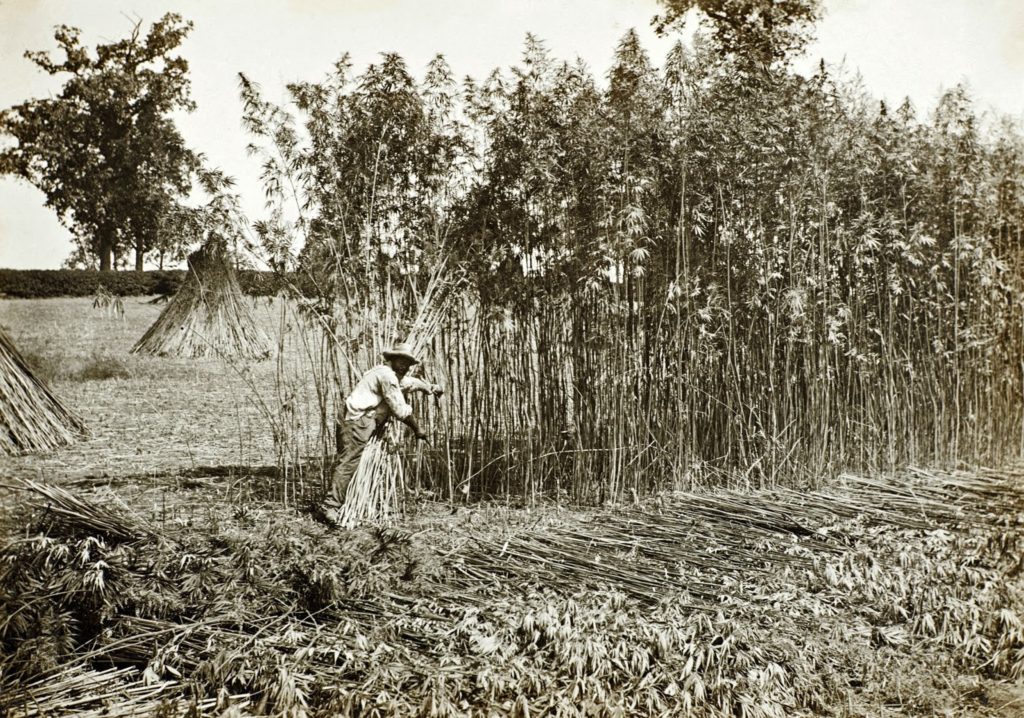
When it comes to farming and growing, marijuana, used for both medical and adult recreational use, is generally grown in a greenhouse under lights; hemp tends to be grown โ€œbroad acreโ€, outdoors in large fields.  Hemp has many phytonutrientsโ€”naturally occurring beneficial compoundsโ€”because it tends to be grown outside in the open. Phytonutrients, fibers, and various agricultural features help with resistance to pests and drought, as well as the prevention of soil erosion[2].

Additionally, the cannabis plant can grow nearly anywhere in the world, in any type of soil; it is, after all, a โ€œweedโ€.  All cannabis plants (both hemp and marijuana) are known to be phytoremediators, (phyto = plant and remediation = to heal). This means, that as the plant is growing, it can absorb everything from the soil in which it is grown and can be purposely used to โ€œhealโ€ the earth. Given marijuana is not grown outdoors, hemp is generally utilized for this key property. For example, after the Chernobyl Nuclear disaster in Ukraine in 1986,  hemp was planted in an attempt to help clean up the soil around the site. Phytoremediation is great for the environment but proves why testing products for quality and safety is so important.

Early hemp farm in Kentucky. Image source Medium.com

History of hemp in the U.S.

Hemp was used in the United States throughout WWI and the Dust Bowl era until it was outlawed by the 1937 Marihuana Tax Act. At the time Dupont invented and patented nylon to create parachutes and parachute cord because they could no longer use hemp as they had in the past. During WWII, however, the restrictions on hemp were lifted and the U.S. launched the โ€œHemp for Victoryโ€ campaign. The Hemp for Victory propaganda film, which can still be found on YouTube,[3] was released in 1942, explained the uses of hemp and encouraged farmers to grow as much hemp as possible to support the war effort. Other industrial fibers, often imported from overseas, were in short supply and the U.S. needed hemp for the manufacturing of naval rope, parachute webbing, shoelaces for soldiers and firehoses. After WWII, the ban on hemp was reinstated, making hemp and hemp-derived products illegal again. The ban on hemp would last for over eighty years.

During WWII, however, the restrictions on hemp were lifted and the U.S. launched the โ€œHemp for Victoryโ€ campaign. Image source CNN.COM

In 2014, hemp was declared federally legal, but restricted to research only, under the Agricultural Improvement Act. After hemp pilot programs were granted to some state and university research facilities, hemp was finally removed December 20, 2018, from the Controlled Substance List with the passage of the Hemp Farming Act, found in the U.S. Agricultural Improvement Act of 2018.

Hopefully, the differences between hemp and marijuana are clearer. Feel free to spread the word: hemp and marijuana are different because of how they are grown, why they are grown, and how they are used!

* We will go into the ECS in more depth in a future article, but just a quick review: The ECS is a complex network of receptors that are found throughout the brain, body, and immune system. This system is believed to be responsible for balancing internal functions related to sleep, relaxation, cognition, etc. Your ECS is fueled by endocannabinoids, which are molecules produced by your body to interact with these receptors. When the production of endocannabinoids is slowed or imbalanced, phytocannabinoidsโ€”produced by the hemp plantโ€”can supplement what the body may be lacking.


[1] Calloway, J. C. (2004). Hempseed as a nutritional source: An Overview. Euphytica, 140, 65โ€“72. doi: 10.1007/s10681-004-4811-6 0

[2] Andre, C. M., Hausman, J. F., & Guerriero, G. (2016). Cannabis sativa: The plant of a thousand and one molecules. Frontiers in Plant Science, 7(19). doi: 10.3389/fpls.2016.00019

[3] www.youtube.com/watch?v=d3rolyyiTPr0

Source: https://blog.zilis.com/hemp-vs-marijuana/