

After such invaluable insight into the U.S. hemp regulations and the 2018 Farm Bill by our very own Joy Beckerman, we return to science in this week’s post. Let’s take a look at some of the different cannabinoids that are found in Cannabis sativa L. and what benefits research on these cannabinoids has revealed.
Now that we are more familiar with the endocannabinoid system, let’s focus on some of the compounds that activate this system and, as of late, have gained a lot of attention—cannabinoids. Becoming familiar with some of the more abundant cannabinoids found in the hemp plant, and the research that has been conducted to further analyze these compounds may help us better understand the effects cannabinoids can have on our systems.
As we have discussed in previous posts, phytocannabinoids are cannabinoids that have been produced in a plant. In this case we are discussing the hemp plant, which as defined by federal regulation cannot contain greater than 0.3% tetrahydrocannabinol (tetra-hydro-cannab-in-al), referred to as THC. THC is just one of over 100 phytocannabinoids1researchers have discovered within this plant.
“Mother of Cannabinoids”
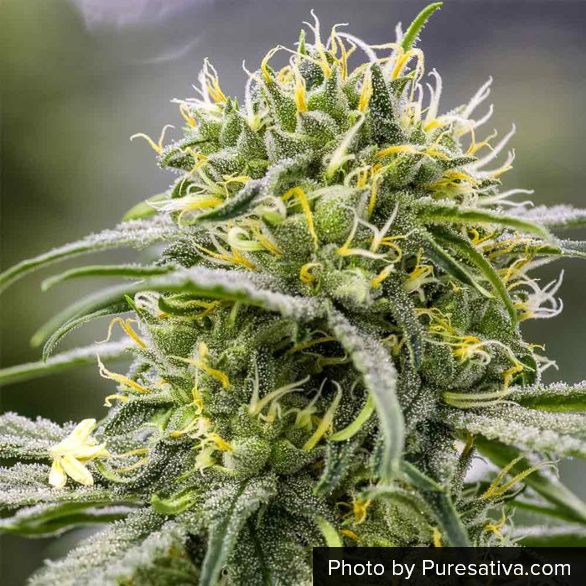
The highest percentage of phytocannabinoids are found in the unseeded flower buds of female plants.2
The most abundant of the phytocannabinoids begin as “parent” cannabinoids called Cannabigerolic (canna-bi-ger-o-lic) acid or CBGa, also known as the “mother of cannabinoids,” and Cannabigerovarinic acid or CBGVa. The formation of some of the most abundant cannabinoids occurs when CBGa is converted into:
- Cannabigerol (canna-bi-ger-al), commonly called CBG;
- Cannabidiolic (canna-bi-di-ah-lic) acid—CBDa;
- Tetrahydrocannabinolic (tetra-hydro-cannabin-alic) acid—THCa; and
- Cannabichromenic (cannabi-chrom-ee-nic) acid—CBCa.
As further break down of these compounds occur other cannabinoids are revealed. In the image below, the parent cannabinoids CBGa and CBGVa, are converted to other compounds.
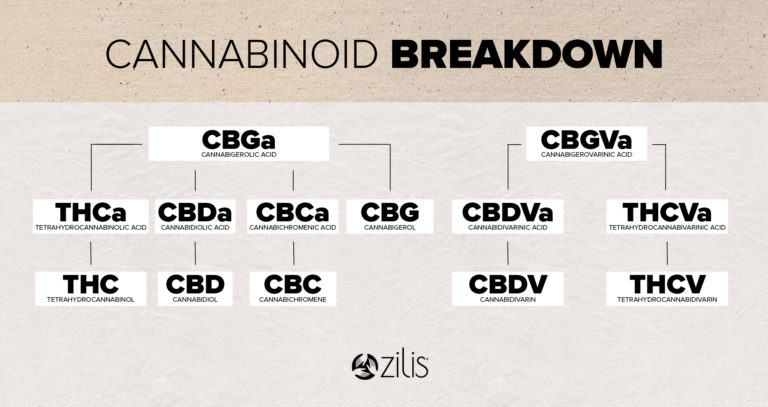
These chemical conversions typically occur in nature mostly through changes in temperature and time. In the laboratory or manufacturing facility however, these conversions can be achieved in an expedited fashion through a multitude of manufacturing processes such as time, temperature, and pressure. One common example of this process—called decarboxylation (de-carboxil-ation)—involves exposing the plant, or an extract from the plant, to high temperatures over an extended period of time. In a fresh hemp flower or a fresh extract, CBDa exists at a very high level, which can be converted to CBD through the process of decarboxylation, in order to produce products formulated with consistent levels of CBD.
Cannabinoid Benefits
Although discussed less often than CBD, CBG is an important cannabinoid, and like CBD, has been shown to be non-psychotropic (mind-altering).3 In a recent study, CBG was shown to have some aseptic-like properties and activity, and appeared to support the destruction of “drug-resistant MRSA by destroying preformed biofilms and resistant organisms in cell culture and non-human studies.”4CBG has also been studied as a possible way to support healthy levels of inflammatory compounds and support normal bone growth and healing.5
The acidified compounds of THC and CBD, Tetrahydrocannabinolic acid (THCa) and Cannabidiolic acid (CBDa) are believed to have their own supporting attributes. Like CBG, both THCa and CBDa are non-psychotropic, as they do not produce intoxicating effects. THCa has been researched as a possible way to support healthy cell function and healthy muscle function while CBDa and THCa also have been studied as a way to help support appropriate levels of inflammatory-compounds.6 Additionally, in one study, CBDa was correlated with increased serotonin receptor level activation, a receptor associated with the serotonin neurotransmitter, known for its participation in overall well being, emotional balance, and other autonomic system-related functions.7
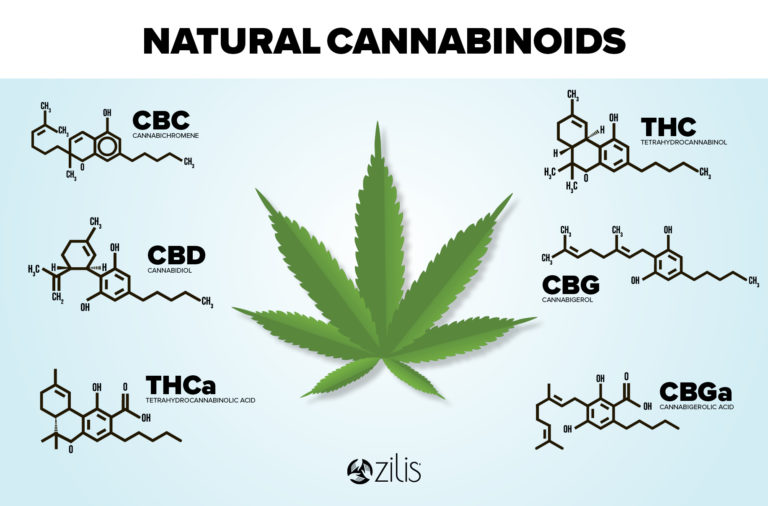
THC, primarily recognized for its psychotropic effects, is used in both medicinal and adult-use forms across the world. The Food and Drug Administration (FDA) has approved three drugs, Marinol®, Cesamet®, and Syndros®, as synthetic versions of THC for therapeutic uses in the United States. As of June 2020, in the U.S., there are over 10 states with adult use regulations and over 30 states with regulations regarding medical use of THC.
CBC, like CBD and CBG, is non-psychotropic, and interestingly, is thought to work through non-cannabinoid receptors that can communicate with the endocannabinoid system (ECS) to help balance emotional fluctuations, support healthy bone growth and support healthy cell function.8 Although CBC is structurally similar to THC and CBD, it has been shown to affect the production of our endocannabinoids, leading to an increase in the level of Anandamide. CBC binding appears to take place on capsaicin receptors, called TRPV1, which are responsible for nociception, heat sensation, body temperature, and detection of harmful toxins we ingest or absorb from our external environment.9 CBC also binds to sensory receptors, called TRPA1, that stimulate our senses and protective responses10. Interestingly, studies of CBC use on the skin have shown its support of overall skin health and has shown its ability to maintain normal oil levels.11
Future Cannabinoid Potential
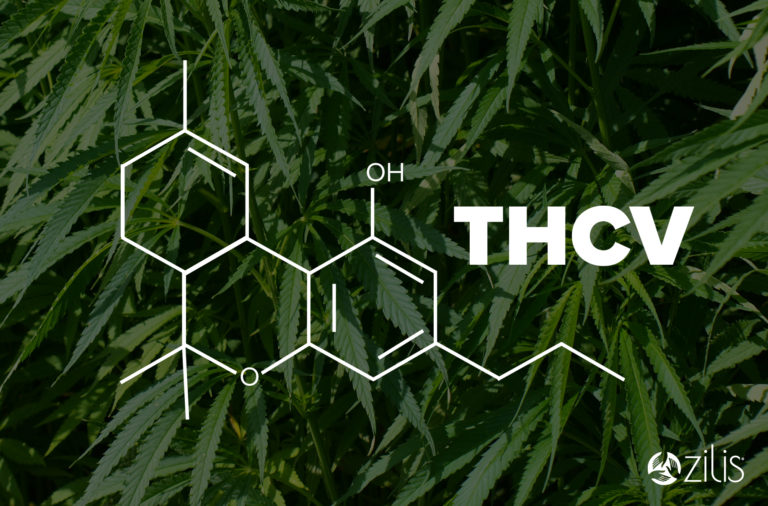
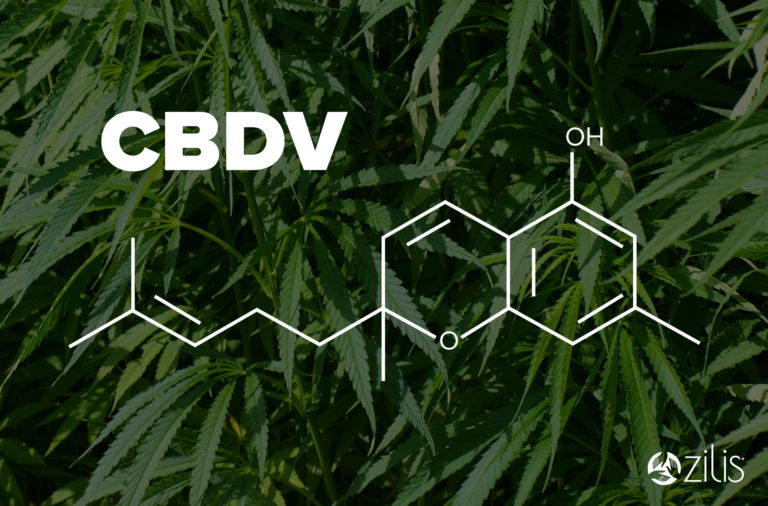
As the science evolves over time, and the variations in the hemp plant continue to change through breeding techniques and genetic research, we will see the potential of many more cannabinoids like Tetrahydryocannabivarin (THCV) and Cannabidivarin (CBDV), which have already begun to show therapeutic potential across multiple body systems. Studies have demonstrated the potential of THCV to support emotional balance, support healthy appetite level and also supports healthy bone growth as studies revealed it binds with both CB1 and CB2 receptors throughout our ECS. 12 Likewise, CBDV has shown promise in supporting healthy brain development and healthy cellular function by binding with the non-cannabinoid receptor, TRPV1,13 previously mentioned as a binding site for CBC. In addition, a few companies have started looking into cultivation of pharma grade, algae-based cannabinoids for medical therapies. With the potentially massive grow ability, algae-based cannabinoids could eliminate the need for synthetic cannabinoids.14 As many believe the 2018 Farm Bill was passed to create a new stream of income for U.S. farmers, synthetic cannabis and non-hemp derived cannabinoids may become obsolete (i.e. under the guidelines of the U.S. Hemp Authority Certification, synthetic cannabinoids and non-hemp derived cannabinoids are not allowed). We will discuss the ins and outs of the U.S. Hemp Authority in a future post.
For the continued benefit to our bodies and in order to support inner balance, it is important for us to learn more about cannabinoids and to support the research being conducted on these compounds. Although this post discussed the benefits of major cannabinoids in the hemp plant, we did not discuss the most popular one—CBD. Never fear! We didn’t forget it. This cannabinoid is so important, it deserves its own post. In our next post we will take an in-depth look at CBD and the benefits that have been uncovered by past and current research.
